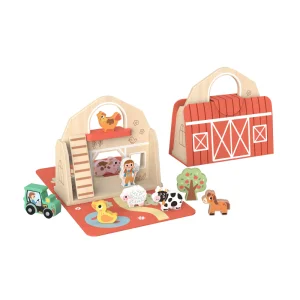
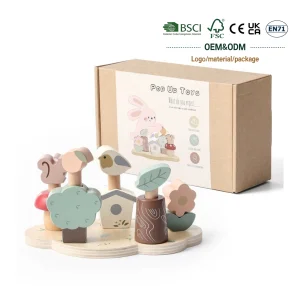
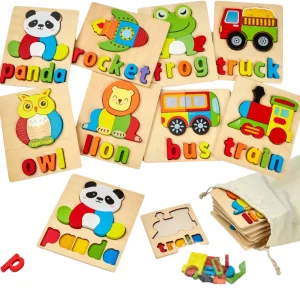
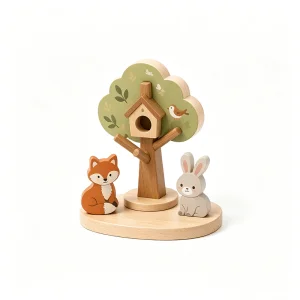
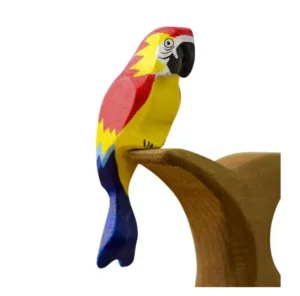
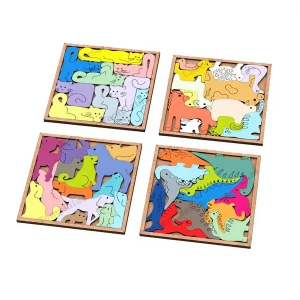
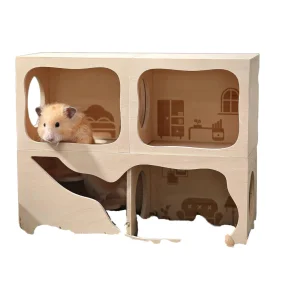
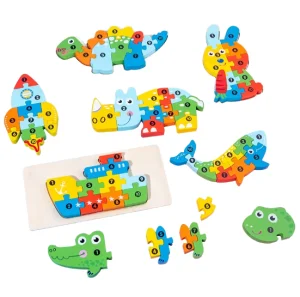
Explore our top-tier precision-crafted wooden animal puzzles, Montessori sets, and developmental toys manufactured for international premium brands.
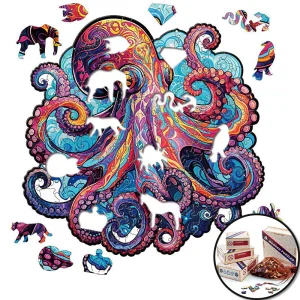
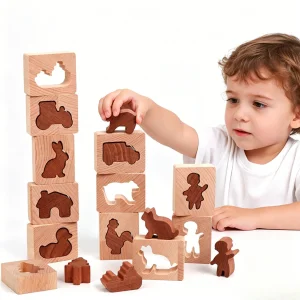
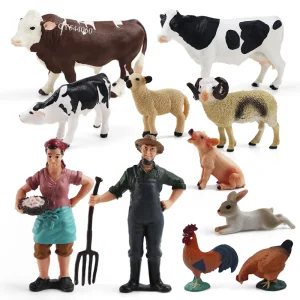
In the rapidly evolving children's educational product landscape, the demand for sustainable, durable, and pedagogically sound toys has reached unprecedented levels. As modern consumer preferences align closely with eco-friendly alternatives to plastics, the wooden animal toys sector has emerged as a cornerstone of sustainable play. Leading brands, educational institutions, and global retailers require more than just aesthetic designs; they require structurally sound, chemically compliant, and ethically manufactured timber products.
This whitepaper analyzes the manufacturing dynamics of wooden animal toys in China, focusing on production capabilities, global safety requirements, localized applications, and systemic supply chain management. By exploring the core operations of industry pioneers like Ningbo Joodle Toy Co., Ltd., we demonstrate how high-caliber manufacturing facilities execute precise production pipelines that satisfy the demands of the global market.
Ningbo Joodle Toy Co., Ltd. is a professional China wooden toys manufacturer specializing in the design, development, and production of Montessori, educational, and eco-friendly toy solutions. With extensive experience in the children's toy industry, Joodle Toy is committed to creating safe, innovative, and sustainable wooden toys that inspire learning, creativity, and imagination among children worldwide.
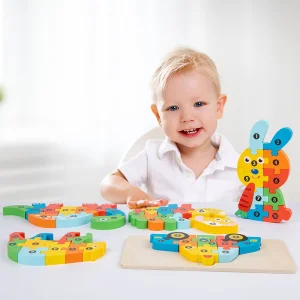
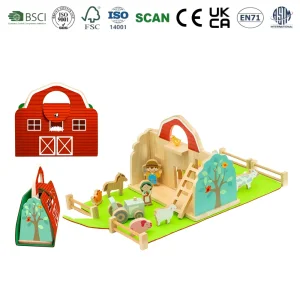
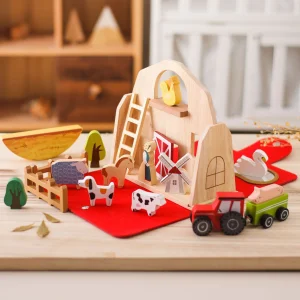
Our comprehensive product portfolio includes Montessori toys, wooden educational toys, building blocks, puzzles, pretend play toys, stacking toys, sorting toys, musical toys, activity toys, baby toys, and various early learning products. Designed to support children's cognitive, sensory, and motor skill development, our products combine educational value with engaging play experiences.
At Joodle Toy, product quality and child safety are our top priorities. We utilize premium natural wood materials and environmentally friendly finishes to ensure every toy is durable, safe, and sustainable. Our modern manufacturing facilities are equipped with advanced production technologies and strict quality control systems, ensuring that every product meets international safety and quality standards.
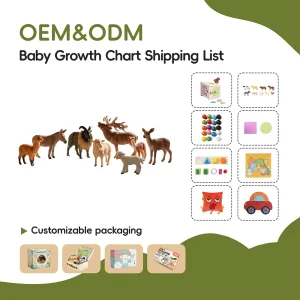
As a trusted OEM and ODM wooden toy factory in China, we provide comprehensive customization services, including product design, mold development, logo printing, packaging customization, and private label manufacturing. Our experienced R&D team continuously monitors global toy trends and develops innovative products tailored to the evolving needs of international markets.
Serving customers across North America, Europe, Southeast Asia, the Middle East, and other global regions, Ningbo Joodle Toy Co., Ltd. has established long-term partnerships based on exceptional product quality, reliable delivery, and professional customer service. Driven by innovation, sustainability, and customer satisfaction, Joodle Toy strives to become your trusted partner for high-quality wooden toys, delivering creative and eco-friendly play solutions that help children learn, grow, and explore through play.
China's prominence as a premier hub for wooden toy production is the result of continuous industrial upgrading, comprehensive supply chain integration, and deep specialization. Unlike other manufacturing sectors where basic automation suffices, wooden toy manufacturing requires a combination of high-precision CNC engineering and artisanal finishing.
The eastern coastal regions, particularly surrounding Ningbo and nearby woodcraft centers in Zhejiang, provide an unmatched ecosystem of component suppliers, raw lumber depots, design agencies, and safety testing laboratories. This geographical clustering reduces domestic shipping times and costs, allowing companies like Joodle Toy to source raw materials, execute production, and ship from Ningbo Port in a highly compressed timeframe.
Professional factories in China operate on a global scale, utilizing local timber alongside sustainable imported hardwoods such as European Beech, Russian Birch, Canadian Maple, and New Zealand Pine. These facilities maintain robust FSC (Forest Stewardship Council) Chain of Custody certifications, ensuring that from logging to final sanding, the wood used in wooden animal figures is traceable and responsibly harvested.
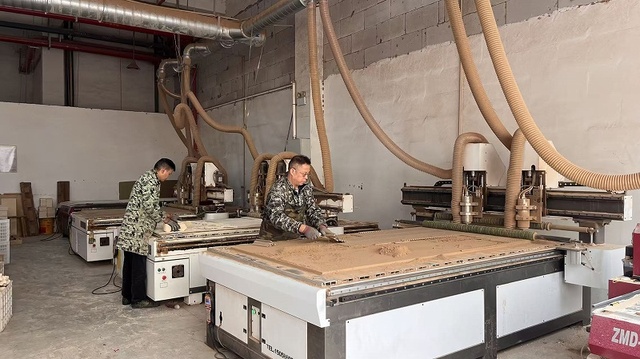
Modern Chinese toy factories rely on state-of-the-art multi-axis CNC machines and automated laser-cutting systems. This enables complex, irregular 3D geometries—such as customized animal jigsaw puzzles and multi-layered stacking sets—to be cut to tolerances within 0.1mm. Following machining, dedicated workers perform multi-stage hand-sanding to eliminate microscopic splinters and ensure smooth bevels, making the toys safe for toddlers.
To maintain competitiveness, international retailers must align their procurement with shifting pedagogical models and environmental policies. Global consumer patterns indicate four major trends driving growth in the wooden toy segment:
Educational systems favor minimal, open-ended wooden figures over flashing plastic toys. Wooden animals allow children to project their own imagination, developing complex narratives, language structures, and spatial coordination.
The market has shifted toward natural grain finishes using non-toxic, saliva-resistant water-based paints. Saliva testing and sweat resistance are mandatory for modern toddler toys, ensuring safe play during teething phases.
Standard animal blocks are evolving into complex 3D assembly kits, multi-part logic games, and kinetic stacking systems. This appeals to older demographics, extending the product lifecycle and increasing market value.
Sourcing wooden animal toys involves mapping products to their intended commercial environments. Different end-use environments require distinct design details:
The transition from a toy concept to a retail product involves complex engineering challenges. Large-scale global buyers require manufacturers capable of handling the entire pipeline. Below is how professional China-based factories structure their OEM/ODM workflows:
Using advanced 3D CAD modeling, design teams translate client sketches into production-ready blueprints. Key parameters such as wood grain direction, shear stress points, and structural joints are calculated to prevent cracking under impact.
Wood is hydroscopic and responds to environmental humidity. Reliable factories use dedicated drying kilns and digital moisture meters to ensure the wood's MC is maintained between 8% and 12%, preventing warping during transit.
Packaging must match the sustainability of the product. Factories design custom, FSC-certified cardboard boxes, soy-ink print layouts, and biodegradable plastic-free liners that survive high-drop testing and shipping wear.
Selling children's toys in international markets requires compliance with strict safety regulations. Sourcing agents must verify that manufacturing partners hold the correct documentation:
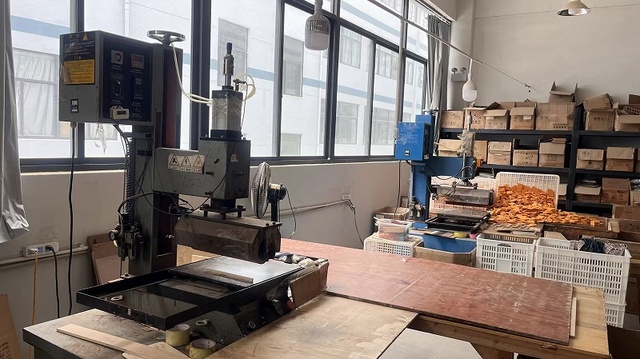
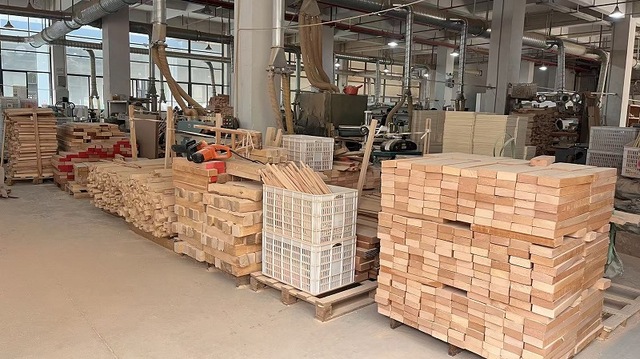
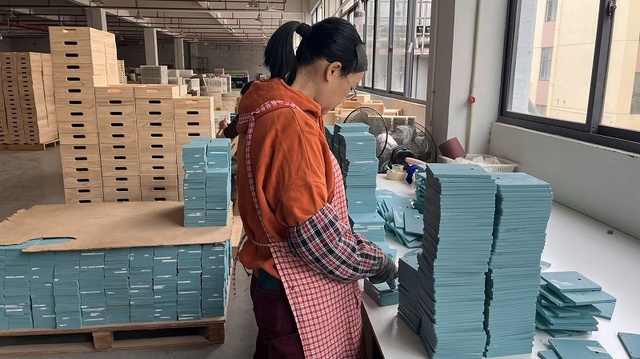
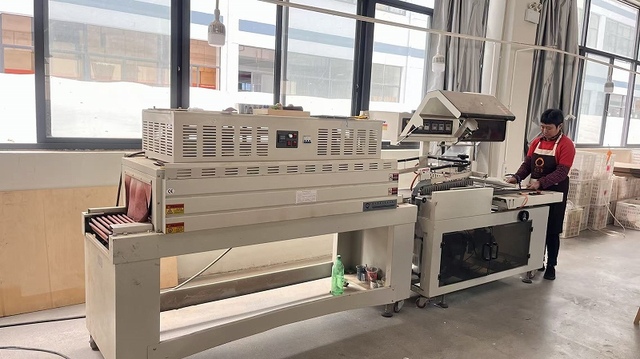
A look inside our advanced timber processing workshops, precision sanding facilities, and international logistics warehouses.
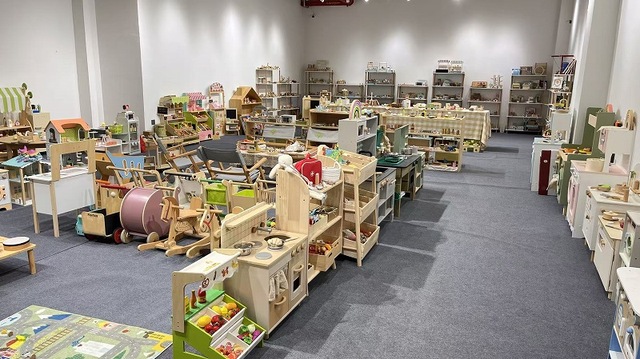
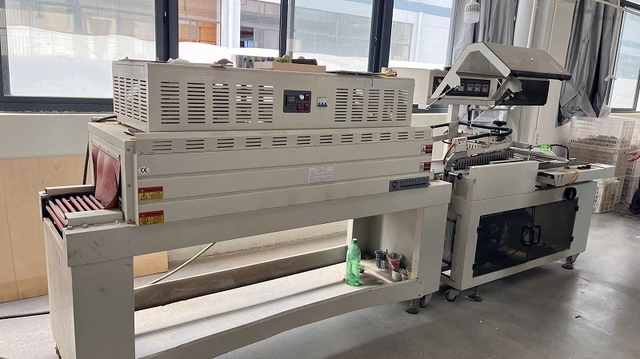
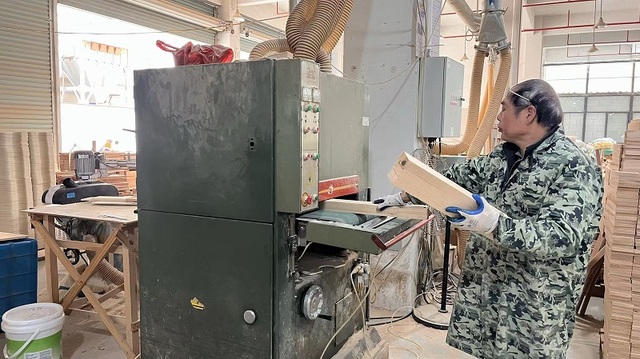
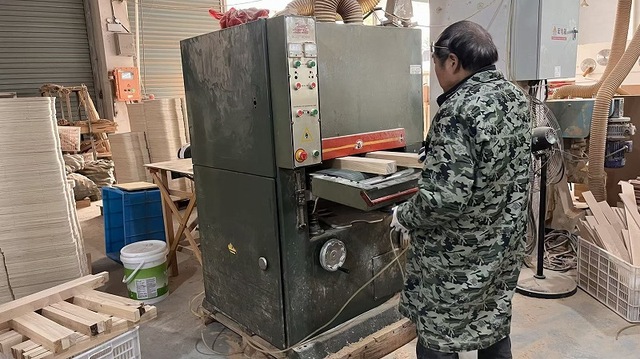
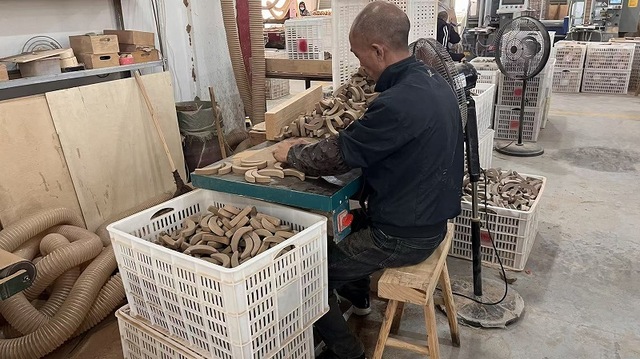
Review our latest additions, featuring early developmental wooden sets, animal jigsaws, and safe habitat exploration models.
 Joodle Toy