Curated sorting and educational products certified for Japanese early-childhood guidelines, targeting the development of non-cognitive skills (非認知能力).
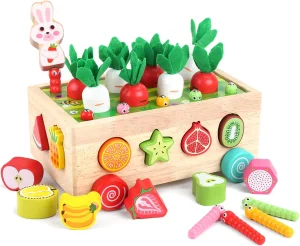
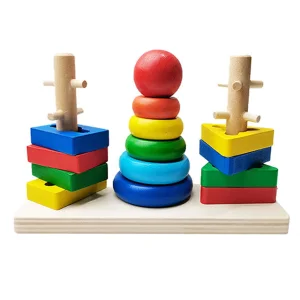
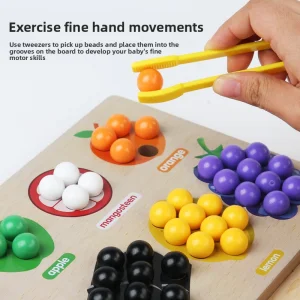
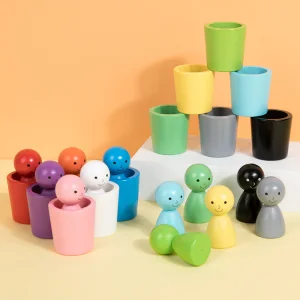
The Japanese market for children's toys is undergoing a significant transition. While the declining birth rate (少子化 - Shōshika) presents challenges, it has simultaneously driven a substantial rise in per-child expenditure. Modern Japanese parents, kindergarten managers, and educators prioritize high-end, multi-functional, and environmentally conscious learning tools. Wooden sorting toys, which align with both the global Montessori pedagogical trend and Japan's traditional appreciation for wood craftsmanship (Mokuzai Kōgei), have seen robust growth in both physical and digital sales channels.
Importers and distributors in Tokyo, Osaka, and Fukuoka face stringent entry barriers. The Japanese market demands perfect wood finishing, absolute safety compliance, and robust educational structures. For factories and exporters to succeed in Japan, they must understand that a "wooden sorting toy" is not merely a plaything, but a developmental instrument designed to enhance cognitive categorization, hand-eye coordination, and spatial awareness.
Any exporter targeting Japan must ensure their products conform to the **Japan Toy Safety Standard (ST Standard)**, administered by the Japan Toy Association (JTA). The ST Standard is broken down into three crucial aspects: Mechanical and Physical Properties (ST Part 1), Flammability (ST Part 2), and Chemical Properties (ST Part 3). Wooden toys, which often feature painted components, are subjected to strict heavy metal extraction tests and formaldehyde assessments.
Additionally, because toddlers naturally put toys in their mouths, wooden sorting toys are subject to the **Food Sanitation Act (食品衛生法)**. Import custom clearance at major ports like Yokohama and Kobe requires comprehensive test reports indicating that all varnishes, coatings, and adhesives are 100% lead-free, non-toxic, and free from plasticizers.
Engineered for nursery environments, these products focus on logic building and linguistic concepts adapted for Japanese children.
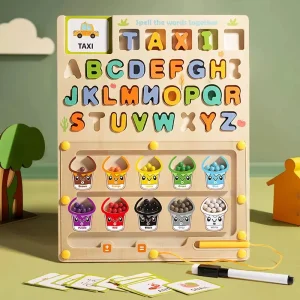
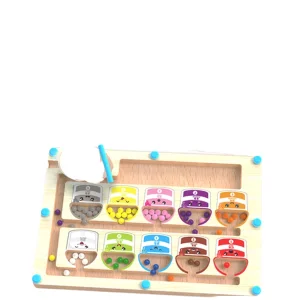
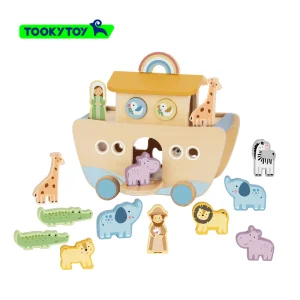
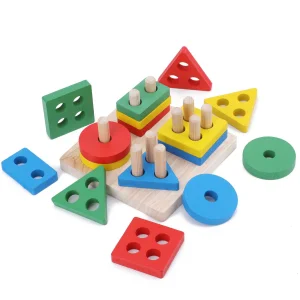
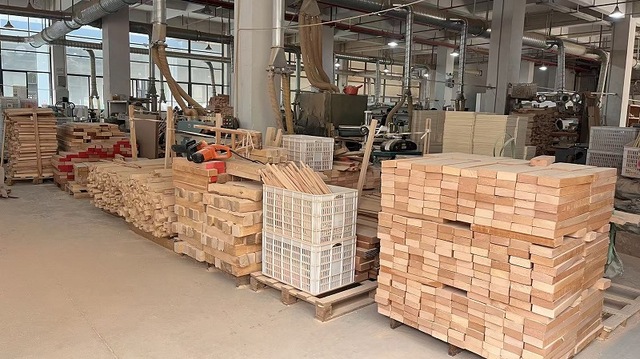
The choice of timber is foundational to the safety, feel, and weight distribution of sorting toys. Japanese consumers evaluate the tactile experience (触感 - Shokkan) of wood intensely. Standard commercial suppliers often use cheap composite boards or low-density pine that splinter easily and feel light. High-end Chinese manufacturers, like **Ningbo Joodle Toy Co., Ltd.**, source premium European Beechwood (ブナ - Buna) and Russian Lime Wood (シナノキ - Shinanoki).
Beechwood provides an ideal density (approx. 0.72g/cm³), giving blocks a satisfying "weightiness" that aids toddler proprioception. Lime wood is used for complex curved shapes like nesting rainbow stackers due to its straight grain, uniform texture, and high resistance to splitting. To ensure absolute compliance with Japan's chemical standards, our factory implements a multi-stage sanding process, followed by the application of organic, water-based acrylic lacquers imported from certified eco-friendly providers.
When producing shapes like triangles, pentagons, and cylindrical plugs for sorting boxes, physical precision must be maintained within **±0.05mm**. High humidity variations between coastal China (where the toys are manufactured) and central Japan (e.g., Tokyo or Nagano) can cause wood to contract or expand. If the factory fails to control the equilibrium moisture content (EMC) of the lumber—bringing it to a stable 8% to 12% before machining—the shape sorter blocks will either jam in the slots or fit too loosely, ruining the developmental experience.
Japanese retail shelves require detailed, clean, and highly informative packaging. Export products must feature Japanese-language instruction manuals containing Product Liability (PL) Law warning labels, distributor details, and explicit age recommendations. In addition, minimalistic design layouts, white backgrounds, and matte finishes on boxes are strongly preferred over glossy, brightly colored plastic packaging, matching the Scandinavian-Japanese fusion (Japandi) interior style dominant in Japanese households.
Integrating global standardizations with localized precision manufacturing for top-tier Japanese educational institutions.
Ningbo Joodle Toy Co., Ltd. is a professional China wooden toys manufacturer specializing in the design, development, and production of Montessori, educational, and eco-friendly toy solutions. With extensive experience in the children's toy industry, Joodle Toy is committed to creating safe, innovative, and sustainable wooden toys that inspire learning, creativity, and imagination among children worldwide.
Our comprehensive product portfolio includes Montessori toys, wooden educational toys, building blocks, puzzles, pretend play toys, stacking toys, sorting toys, musical toys, activity toys, baby toys, and various early learning products. Designed to support children's cognitive, sensory, and motor skill development, our products combine educational value with engaging play experiences.
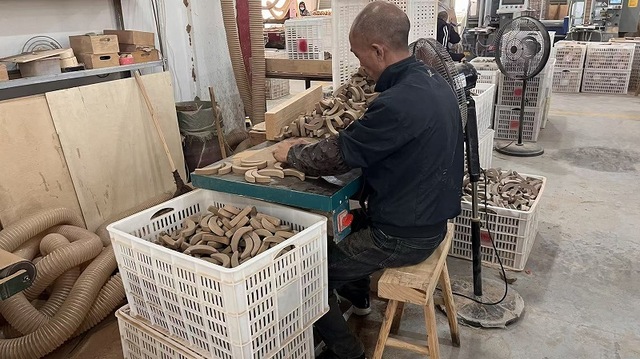
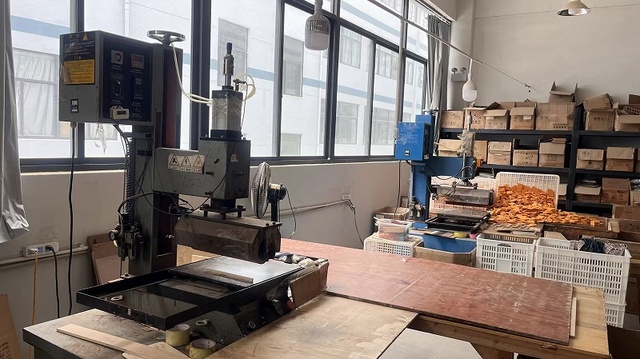
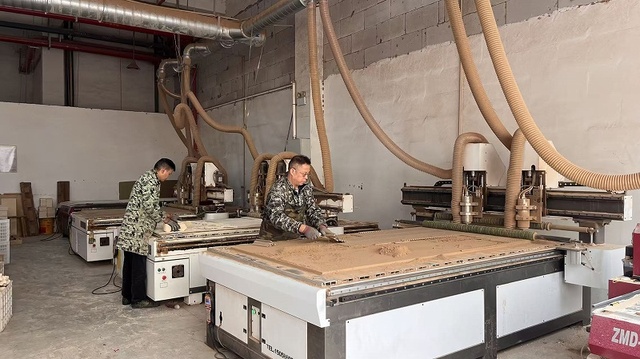
At Joodle Toy, product quality and child safety are our top priorities. We utilize premium natural wood materials and environmentally friendly finishes to ensure every toy is durable, safe, and sustainable. Our modern manufacturing facilities are equipped with advanced production technologies and strict quality control systems, ensuring that every product meets international safety and quality standards.
As a trusted OEM and ODM wooden toy factory in China, we provide comprehensive customization services, including product design, mold development, logo printing, packaging customization, and private label manufacturing. Our experienced R&D team continuously monitors global toy trends and develops innovative products tailored to the evolving needs of international markets.
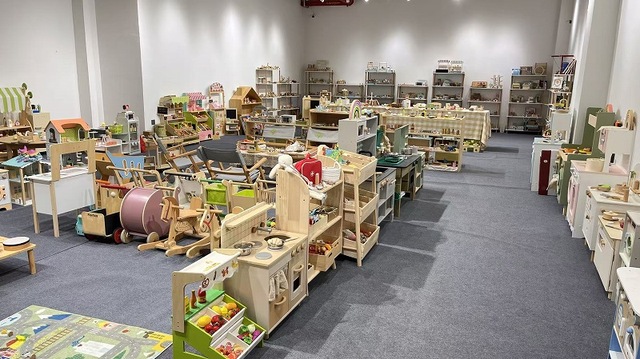
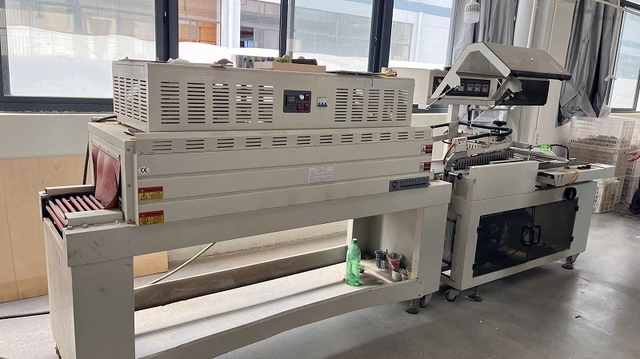
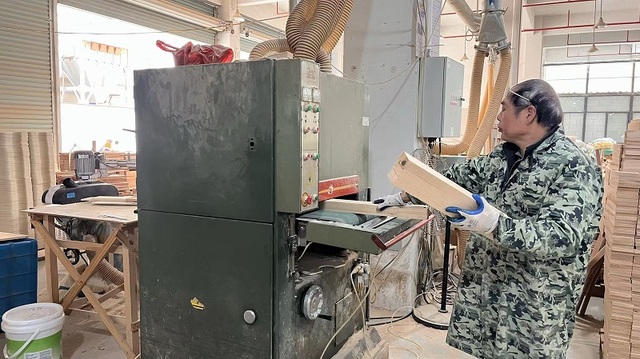
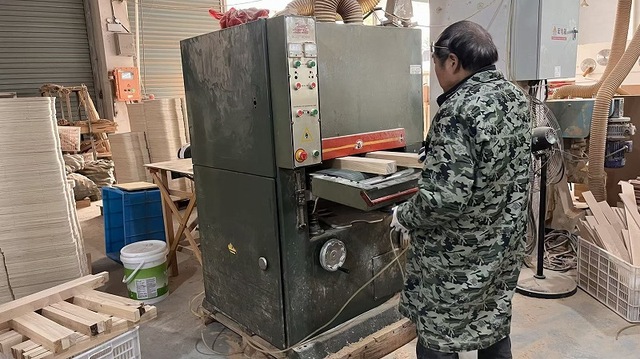
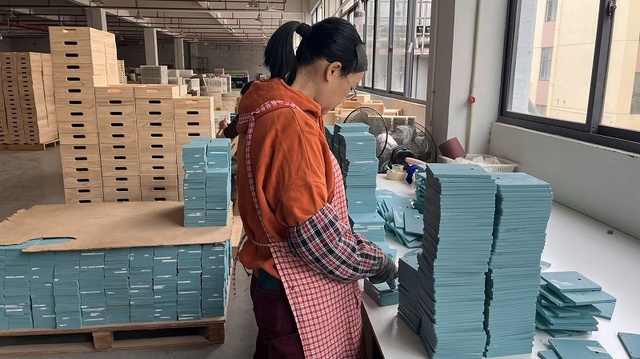
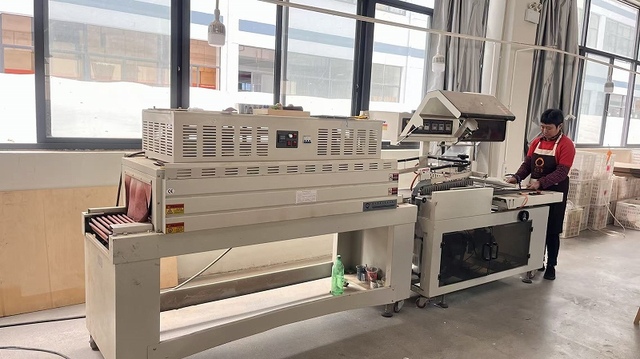
From modern daycares to private therapeutic clinics, sorting toys serve specialized learning goals across the country.
Japanese daycares emphasize social interaction and cooperative play. Stacking towers and large wooden sort blocks with soft rounded edges are perfect for multi-child setups, reducing friction and noise when dropped on tatami or wooden flooring.
For specialized early learning programs focusing on fast cognitive acquisition, color matching and mathematical sorting blocks provide tactile confirmation of abstract patterns, reinforcing spatial reasoning and memory.
Occupational Therapy (OT) clinics across Japan utilize specialized sensory stones and sorting cups to support neurodivergent children (e.g., developmental delays or autism spectrum), building fine motor skills and attention focus.
Our complete collection of EN71 and ST-safety approved educational sorting toys designed to meet strict Japanese import specifications.
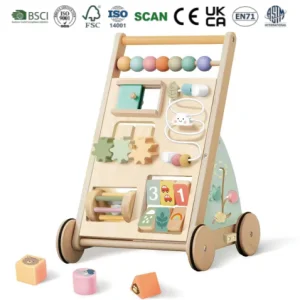
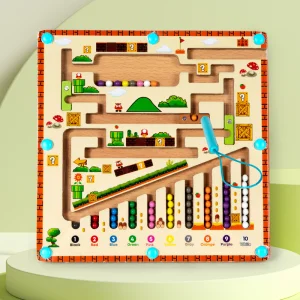
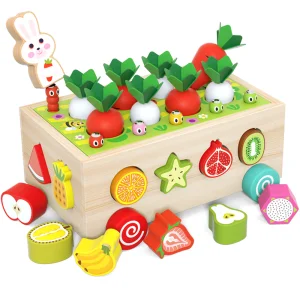
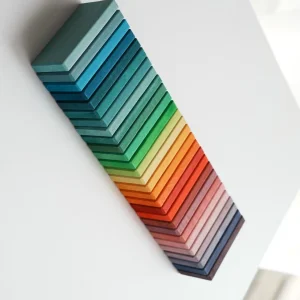
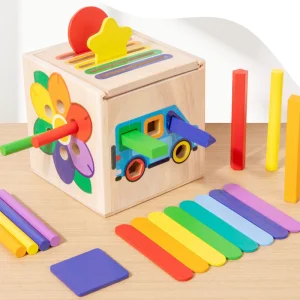
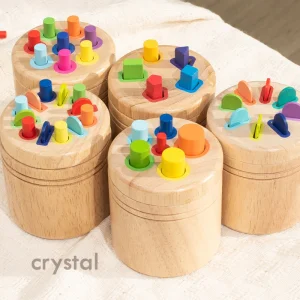
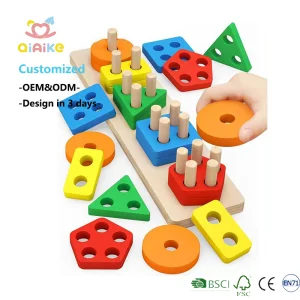
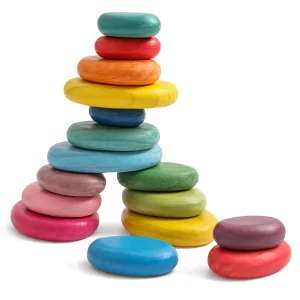
The convergence of physical wooden toys with digital logic design templates and eco-restoration guidelines.
By 2026, all wooden materials destined for Japan's major toy distributors will carry digital FSC passports. End-consumers will be able to scan a micro QR code underneath the baseboards of our **Montessori sorting blocks** to trace the timber source to carbon-monitored forests. Furthermore, dry kiln equipment is transitioning to biomass energy, minimizing scope 3 carbon emissions during early timber-curing stages.
Future color sorting systems will utilize plant-extracted colorants derived from local agricultural materials (such as green tea, persimmon, and indigo), ensuring that toys have a 100% natural composition. Research is also underway with child-occupational therapists in Tokyo to create specialized matte grain profiles on block surfaces that enhance friction, helping children with motor difficulties grasp geometric shapes with greater control.
Common compliance, logistics, and quality assurance questions for Japanese B2B importers.
Connect directly with our engineering and regulatory affairs team. Get certified wooden educational toys configured exactly to ST-Standard specifications.
 Joodle Toy