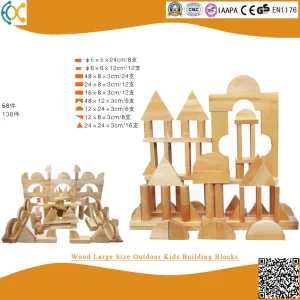
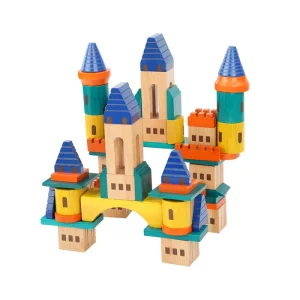
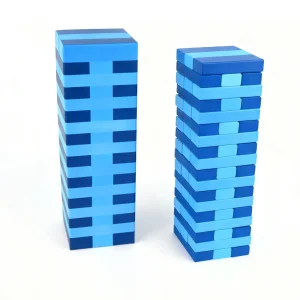
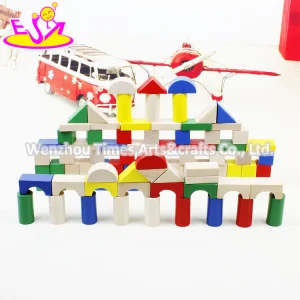
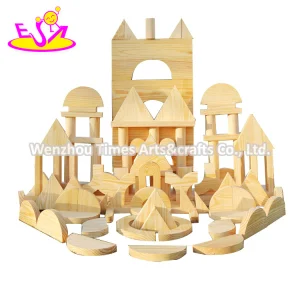
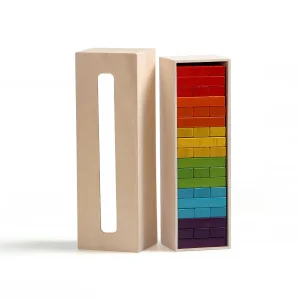
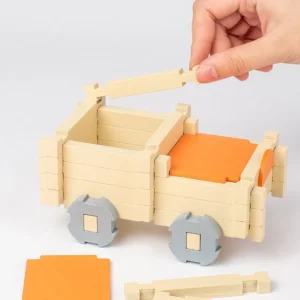
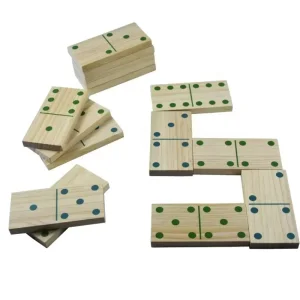
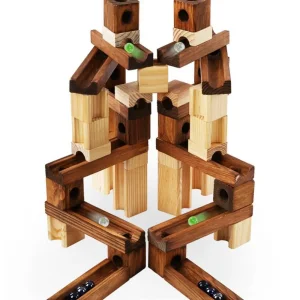
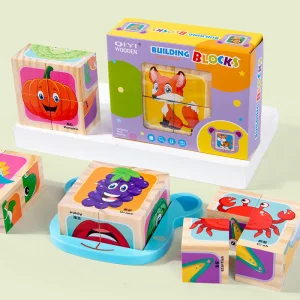
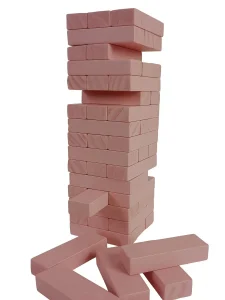
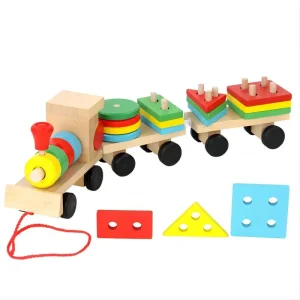
Premium wooden block sets engineered to withstand humid Southeast Asian climates, complying fully with EN71, ASTM F963, and Thai TIS 685-2540 regulatory standards.
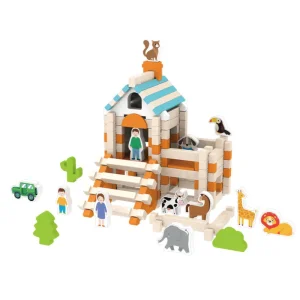
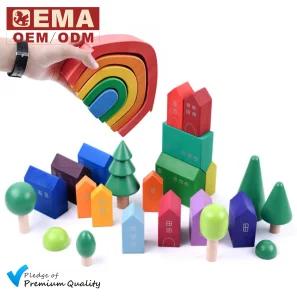
An in-depth structural overview of Southeast Asia's secondary wood processing sector, localized supply constraints, and global sourcing realities.
Over the past three decades, Thailand has positioned itself as a reliable regional hub for wooden toy production within Southeast Asia, particularly leveraging its abundant supply of cultivated **rubberwood (Hevea brasiliensis)**. Locally referred to as *Parawood*, this material is harvested primarily from mature commercial rubber plantations in Southern and Eastern Thailand after the trees reach the end of their latex-producing lifecycle (typically 25 to 30 years). Unlike natural forest logging, which is strictly prohibited under Thai environmental laws, rubberwood utilization provides a circular, bio-based economy baseline that matches the carbon-neutrality targets of global toy brands.
Thailand's wooden building blocks sector operates under several macro pressures. While the country benefits from localized free trade agreements (FTAs) with major markets like Australia, Japan, and India, and has established strong port infrastructure in Laem Chabang, the scaling capability of Thai factories remains limited compared to their East Asian counterparts. The industry faces chronic labor shortages, rising minimum wages, and an aging workforce, which has forced many local manufacturers to specialize in boutique, hand-finished items rather than hyper-automated, high-volume production runs.
Consequently, global sourcing managers looking to procure multi-million unit orders of basic building blocks often find that Thai factories face capacity bottlenecks. Lead times in Thailand can stretch to 120-180 days during peak seasons (Q2 and Q3, in preparation for the holiday season), as compared to Chinese manufacturing zones that maintain large-scale, automated CNC cutting and packaging operations.
A comparative structural breakdown of cost drivers, logistics capabilities, and product development lifecycles.
For B2B buyers, sourcing decisions require balancing raw material sustainability, manufacturing precision, and shipping logistics. While Thailand offers excellent localized rubberwood materials, China’s industrial clusters—specifically in **Ningbo and Yunhe (Zhejiang Province)**—provide unmatched industrial efficiency, advanced R&D capabilities, and direct access to diversified wood species like FSC-certified Beechwood, Pine, Lindenwood, and Birch.
| Evaluation Parameter | Thailand Manufacturers | China (Ningbo Joodle Toy Co., Ltd.) |
|---|---|---|
| Primary Wood Varieties | Primarily Rubberwood (Parawood); some imported Pine. | FSC-certified Beechwood, Pine, Birch, Basswood, Maple, Rubberwood. |
| Automation & Manufacturing Scale | Semi-automated; high reliance on manual sorting and hand-finishing. | Fully automated CNC cutting, high-speed multi-axis sanding, automated water-paint spraying lines. |
| Moisture Control & Quality Systems | Highly dependent on local seasonal weather; high humidity risks. | Climate-controlled raw material warehouses, digital moisture testing, strict ISO 9001 protocols. |
| Lead Times (Standard B2B Orders) | 90 to 150 days on average, highly variable during peak seasons. | 45 to 60 days, supported by localized component supply networks. |
| OEM/ODM Prototyping Speed | 3 to 4 weeks; limited 3D/CAD integration on factory floors. | 5 to 7 days; dedicated in-house R&D teams and 3D prototyping. |
| Logistics & Port Proximity | Laem Chabang Port; limited shipping routes for direct global shipping. | Ningbo Port; world's largest cargo port, daily global departures. |
The core advantage of Chinese manufacturers like **Ningbo Joodle Toy Co., Ltd.** lies in the concept of **Industrial Clustering**. In Ningbo, a wooden toy manufacturer is situated within a 50-kilometer radius of specialized precision mold-makers, paint chemists, carton printing houses, and third-party testing labs (such as SGS and TÜV Rheinland). This close integration reduces the supply chain footprint and transaction costs to a fraction of what they are in Thailand, where sourcing paint or customized packaging often requires importing components from neighboring regions, increasing overall costs and adding complexity.
Navigating the rigorous testing protocols required to import educational wooden blocks into global markets.
Wooden building blocks are categorized under "High-Risk Toy Classifications" by international customs and safety bodies because they are targeted at children under 36 months, who routinely engage in mouthing behaviors. Consequently, compliance is not merely a legal checkbox; it is a fundamental requirement of business viability and brand protection. Below, we examine the primary physical and chemical criteria required for wooden building block exports.
The paints, lacquers, and stains applied to wooden building blocks must be completely free of toxic heavy metals, phthalates, and volatile organic compounds (VOCs). The standard testing framework includes:
To meet these requirements, manufacturers must source certified water-based acrylic paints or organic vegetable dyes. While Thai manufacturers often utilize natural finishes, their chemical sourcing options are more restricted. In contrast, Chinese factories maintain direct partnerships with leading chemical firms to formulate customized, non-toxic, chip-resistant coatings that pass saliva-resistance testing.
Building blocks designed for toddlers must be physically robust to prevent choking and injury risks. Testing protocols include:
Analyzing the shift toward open-ended play, STEM integration, and the rising demand for high-quality toy procurement in Thailand.
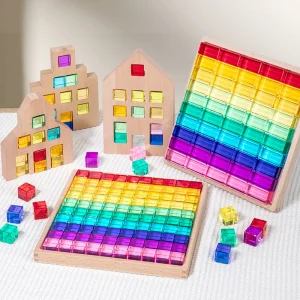
The international market for wooden toys has shifted away from simple geometric shapes toward **open-ended, unstructured play models** and **Montessori-inspired curriculums**. Educational institutions and modern parents favor toys that allow children to direct their own play, which fosters spatial reasoning, fine motor coordination, and early mathematics concepts. Consequently, B2B importers are looking for highly specialized, complex block designs, including rainbow nesting arches, magnetic wooden blocks, acrylic-embedded gem blocks, and outdoor play sets.
Thailand’s domestic demand for premium educational toys is growing rapidly, driven by the expansion of international schools and private kindergarten networks in Bangkok, Chiang Mai, and Phuket. These institutions require classroom-grade wooden blocks that can withstand heavy, daily use by multiple cohorts of children. Furthermore, local resort kids' clubs, sensory therapy clinics, and eco-conscious indoor playgrounds are increasingly choosing solid wood building blocks over plastic alternatives to match the country's national focus on sustainable tourism and green living.
A trusted global manufacturing partner for high-precision, eco-friendly wooden toys and building blocks.
Ningbo Joodle Toy Co., Ltd. is a professional China wooden toys manufacturer specializing in the design, development, and production of Montessori, educational, and eco-friendly toy solutions. With extensive experience in the children's toy industry, Joodle Toy is committed to creating safe, innovative, and sustainable wooden toys that inspire learning, creativity, and imagination among children worldwide.
Our comprehensive product portfolio includes Montessori toys, wooden educational toys, building blocks, puzzles, pretend play toys, stacking toys, sorting toys, musical toys, activity toys, baby toys, and various early learning products. Designed to support children's cognitive, sensory, and motor skill development, our products combine educational value with engaging play experiences.
At Joodle Toy, product quality and child safety are our top priorities. We utilize premium natural wood materials and environmentally friendly finishes to ensure every toy is durable, safe, and sustainable. Our modern manufacturing facilities are equipped with advanced production technologies and strict quality control systems, ensuring that every product meets international safety and quality standards.
As a trusted OEM and ODM wooden toy factory in China, we provide comprehensive customization services, including product design, mold development, logo printing, packaging customization, and private label manufacturing. Our experienced R&D team continuously monitors global toy trends and develops innovative products tailored to the evolving needs of international markets.
Serving customers across North America, Europe, Southeast Asia, the Middle East, and other global regions, Ningbo Joodle Toy Co., Ltd. has established long-term partnerships based on exceptional product quality, reliable delivery, and professional customer service.
Driven by innovation, sustainability, and customer satisfaction, Joodle Toy strives to become your trusted partner for high-quality wooden toys, delivering creative and eco-friendly play solutions that help children learn, grow, and explore through play.
Explore our full range of wooden building blocks and educational toys. All items support custom branding, packaging design, and OEM adaptations for global importers.
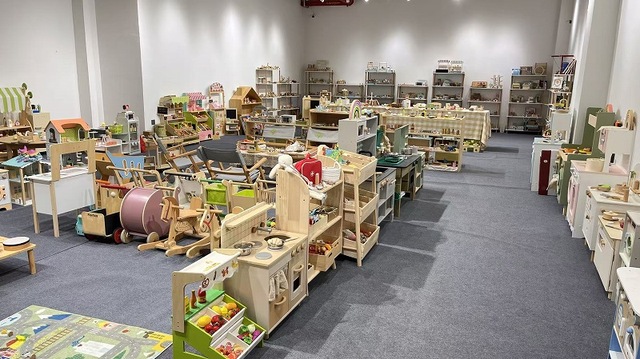
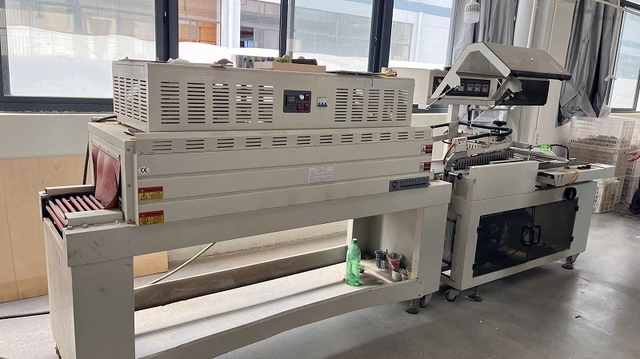
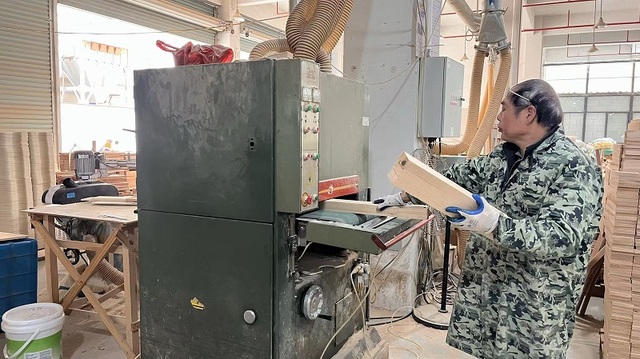
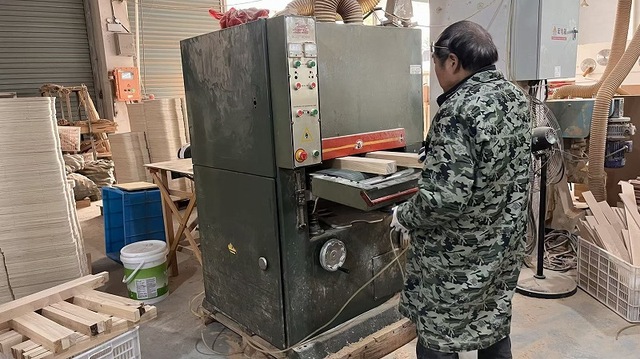
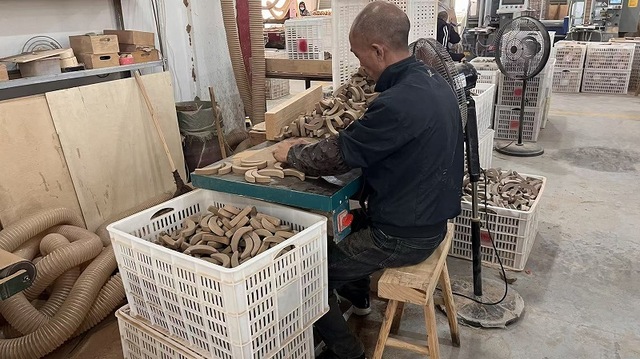
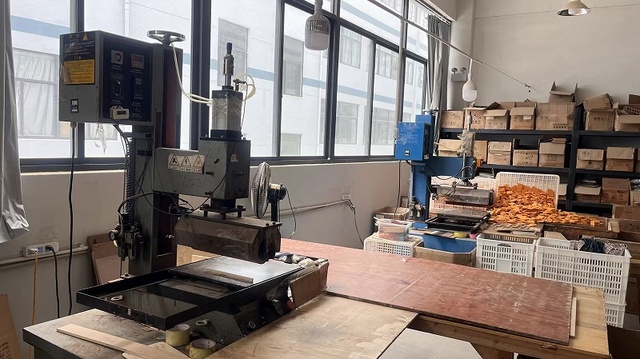
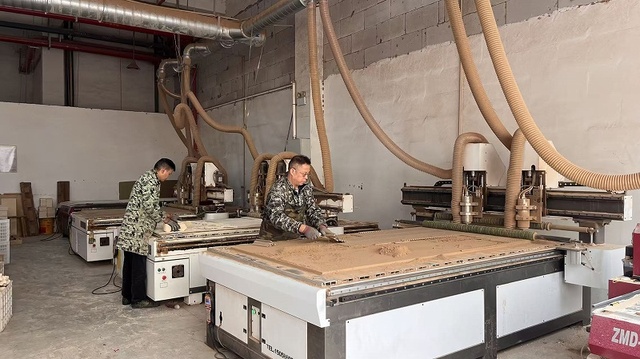
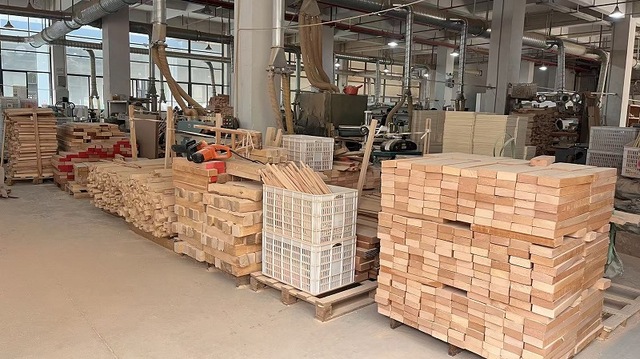
A transparent look inside our modern production workshops, precision CNC areas, kiln-drying facilities, and assembly lines.
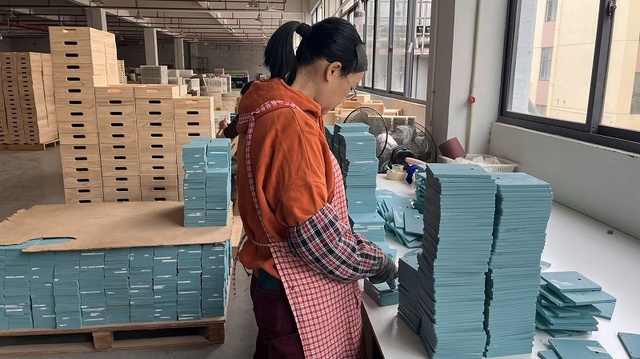
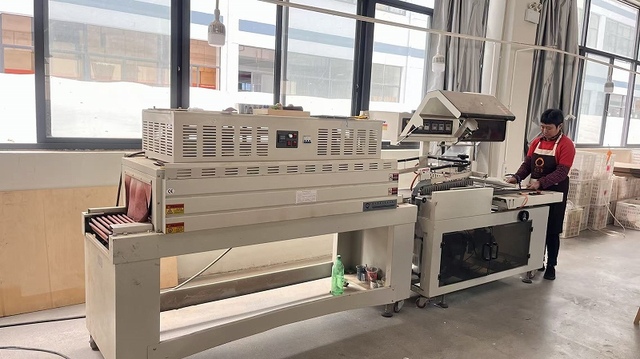
Essential answers for B2B buyers, distributors, and sourcing specialists looking to import high-quality wooden building blocks.
For premium educational blocks, beechwood, rubberwood (Parawood), maple, and pine are the most common. Beechwood is the global benchmark for Montessori blocks due to its high density, fine grain structure, and resistance to denting or splintering. Rubberwood is a sustainable, cost-effective option widely produced in Thailand. Pine is lighter and more affordable, but softer and more prone to denting under heavy impact.
Both must comply with global standards. However, Ningbo Joodle Toy holds comprehensive certifications including FSC-CoC (Chain of Custody), BSCI social audits, and ISO 9001. All exported products are certified by accredited laboratories to pass EN71 Parts 1, 2, & 3, ASTM F963, and CPSIA requirements. Thai manufacturers typically comply with TIS 685 (local domestic standard), but may require additional testing cycles to meet specific Western export standards.
Our standard MOQ is typically 1,000 sets per design for custom colors, printing, and customized packaging. For standardized natural blocks, lower MOQs can sometimes be accommodated depending on raw timber availability. Please contact our sales team with your exact specifications to receive a customized quote.
Wood is a natural, hydroscopic material that expands and contracts based on ambient humidity. In tropical zones like Thailand, moisture levels are naturally high. If the raw timber is not kiln-dried to a strict 12%-15% moisture content level before machining and finishing, the blocks can warp, split, or grow mold during shipping in dry, closed cargo containers. Our state-of-the-art drying kilns and climate-controlled storage facilities ensure all products remain stable through transit and in classroom environments.
Yes. We offer complete OEM packaging support, including rigid color boxes with EVA foam trays, eco-friendly canvas bags with screen printing, custom hangtags, and double-walled corrugated outer cartons optimized to pass drop testing requirements.
Get a comprehensive quotation, arrange custom sample development, or consult on EN71/ASTM compliance. Our team will respond within 12 hours.
Send Inquiry Now Joodle Toy