Joodle Toy
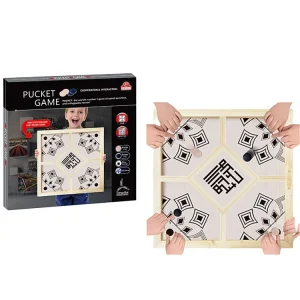

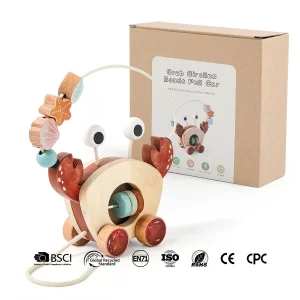
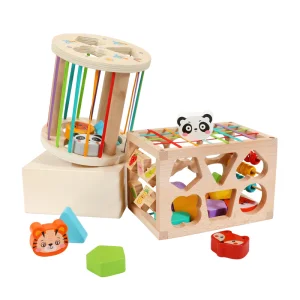
Global Market Landscapes: The Rise of High-Durability Timber Play Installations
In the contemporary landscape of public space design, early childhood education infrastructure, and private recreational areas, a profound paradigm shift is underway. The historical dominance of synthetic polymers and metal-based playground configurations is rapidly giving way to structural timber. B2B procurement data indicates a significant increase in demand for premium wooden outdoor play equipment, driven by global shifts toward carbon-neutral supply chains, structural longevity, and cognitive-developmental science. Municipalities, educational institutions, and luxury residential projects are increasingly prioritizing natural architectural integration over plastic modular builds.
Choosing top-tier exporters and suppliers is no longer just a purchasing decision—it is a critical part of supply chain risk management. Buyers must navigate strict environmental regulations, safety standards (such as EN 1176 and ASTM F1487), and the need for structural wood that can withstand diverse weather conditions without deteriorating. This document provides a detailed analysis of the leading suppliers, production processes, and strategic considerations required for high-volume B2B timber procurement.
Industry Trends: The Structural Evolution of Wooden Play Systems
Modern wooden play equipment has evolved beyond basic swing sets and simple climbing frames. Today’s designs feature advanced engineering, creative architecture, and a strong focus on ecological responsibility. The industry is currently defined by three major structural trends:
Biophilic Architecture
Integrating play structures seamlessly into natural surroundings. Designers are moving away from bright, artificial colors in favor of organic shapes that follow the natural landscape, helping children build a deeper connection with nature during play.
Carbon-Neutral Timber
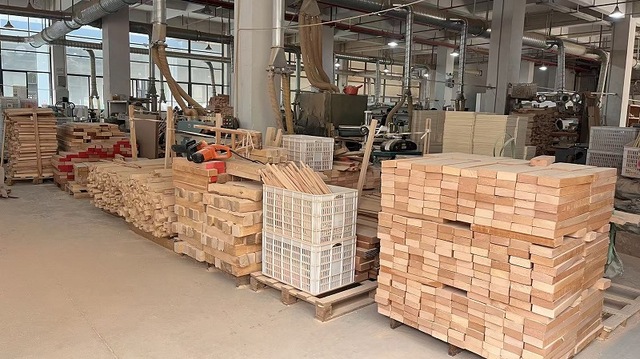
Global procurement standards now heavily favor timber sourced from FSC-certified forests, such as European Larch, Robinia, and Douglas Fir. These materials ensure that the play equipment functions as a carbon sink throughout its operational lifespan.
Modular Systems
Smart designs that allow play spaces to expand over time. By standardizing connectors, anchoring kits, and modular sections, suppliers make it easy for facility managers to update and scale their equipment as needs change.
In addition to structural advances, modern playground engineering integrates physical play with sensory and educational elements. Today's commercial wooden play areas often combine physical activities—like climbing, sliding, and balance zones—with sensory elements such as interactive soundboards, sand and water systems, and cognitive puzzle panels. This multi-layered design strategy supports child development across physical, cognitive, and social areas, which has made it a key requirement in bids for modern schools and public parks.
Global B2B Procurement: Demands, Certifications, and Risk Mitigation
For global enterprise buyers, sourcing play equipment requires strict adherence to international safety and quality standards. Working with uncertified manufacturers can lead to significant legal, financial, and operational risks. The table below outlines the critical compliance framework required for international distribution:
Safety Standard EN 1176 (European Market)
Governs the design, manufacturing, and installation of public playground equipment. It requires strict testing for head and neck entrapment, fall protection, and structural integrity under heavy loads.
Safety Standard ASTM F1487 (North American Market)
Specifies safety performance criteria for public play environments, detailing dynamic testing requirements, protective surfacing guidelines, and clean edge finish requirements for all wood components.
FSC Chain of Custody (CoC)
Ensures that the timber used in production is fully traceable back to responsibly managed forests. This certification is crucial for projects aiming for green building credentials like LEED or BREEAM.
ISO 9001 & ISO 14001 Certification
Confirms that the manufacturing facility operates under a reliable quality management system and maintains environmental standards that minimize waste, emissions, and hazardous chemicals.
Beyond regulatory certifications, B2B procurement professionals must carefully evaluate the chemical preservation methods used by suppliers. Copper Chrome Arsenic (CCA) treatments are now widely restricted or banned for children's play equipment in many countries. Modern buyers should specify non-toxic alternatives, such as organic wood preservatives, copper-based treatments, or thermal wood modification. These advanced techniques protect timber from decay and wood-boring insects without introducing harmful chemicals to the play environment.
China Factory 4.0: Supply Chain Resiliency & Manufacturing Efficiency
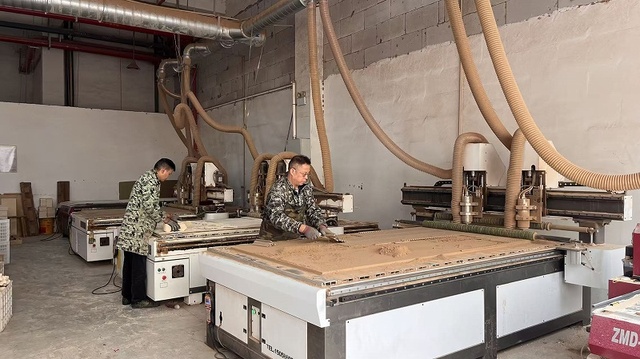
China's manufacturing sector has undergone a significant transformation, moving from simple manual assembly to highly automated Industry 4.0 factories. For global buyers, this shift provides substantial benefits, combining strong supply chain resilience with exceptional cost efficiency. Leading Chinese manufacturers now integrate computer-aided design (CAD) directly with precision CNC machinery, allowing them to produce complex timber components with millimeter accuracy.
This precision is especially valuable for wooden play systems, where precise wood joints and connection points are essential for safety and structural integrity. By using automated sanding, sealing, and drying systems, Chinese factories ensure that every structural post, handrail, and platform receives a uniform protective finish. This consistent quality protects the wood from rot, moisture damage, and UV degradation in the field.
Localized Application Scenarios: Tailoring Equipment to Regional Environments
Environmental conditions vary widely across global markets, requiring different wood species and treatments to ensure durability. Experienced project planners customize their specifications to match the local climate:
High-Humidity Coastal Zones
Salty coastal air and high humidity accelerate rot and corrode metal connections. For these areas, projects require premium Robinia or Teak timber paired with marine-grade 316 stainless steel fasteners to resist corrosion.
Arid & High-UV Regions
Desert and high-sun climates can dry out wood, causing it to crack and warp. Under these conditions, the wood requires deep-penetrating oil finishes with built-in UV blockers, along with regular maintenance to prevent splitting.
Sub-Zero Alpine Climates
Regions with harsh winters require freeze-thaw resistant anchor systems and wood species that do not become brittle in extreme cold. Northern European Larch is highly favored for these environments.
Featured B2B Partner: Ningbo Joodle Toy Co., Ltd.
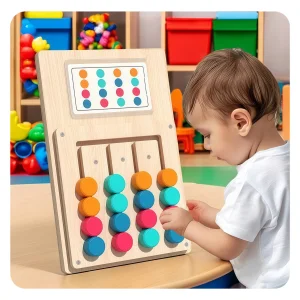
Ningbo Joodle Toy Co., Ltd. is a professional China wooden toys manufacturer specializing in the design, development, and production of Montessori, educational, and eco-friendly toy solutions. With extensive experience in the children's toy industry, Joodle Toy is committed to creating safe, innovative, and sustainable wooden toys that inspire learning, creativity, and imagination among children worldwide.
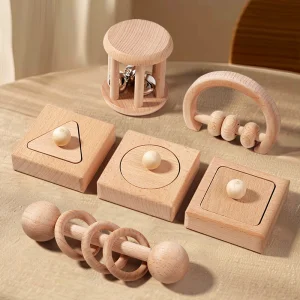
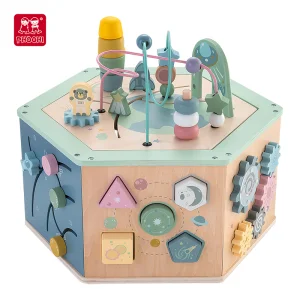
Our comprehensive product portfolio includes Montessori toys, wooden educational toys, building blocks, puzzles, pretend play toys, stacking toys, sorting toys, musical toys, activity toys, baby toys, and various early learning products. Designed to support children's cognitive, sensory, and motor skill development, our products combine educational value with engaging play experiences.
At Joodle Toy, product quality and child safety are our top priorities. We utilize premium natural wood materials and environmentally friendly finishes to ensure every toy is durable, safe, and sustainable. Our modern manufacturing facilities are equipped with advanced production technologies and strict quality control systems, ensuring that every product meets international safety and quality standards.
As a trusted OEM and ODM wooden toy factory in China, we provide comprehensive customization services, including product design, mold development, logo printing, packaging customization, and private label manufacturing. Our experienced R&D team continuously monitors global toy trends and develops innovative products tailored to the evolving needs of international markets.
Serving customers across North America, Europe, Southeast Asia, the Middle East, and other global regions, Ningbo Joodle Toy Co., Ltd. has established long-term partnerships based on exceptional product quality, reliable delivery, and professional customer service. Driven by innovation, sustainability, and customer satisfaction, Joodle Toy strives to become your trusted partner for high-quality wooden toys, delivering creative and eco-friendly play solutions that help children learn, grow, and explore through play.
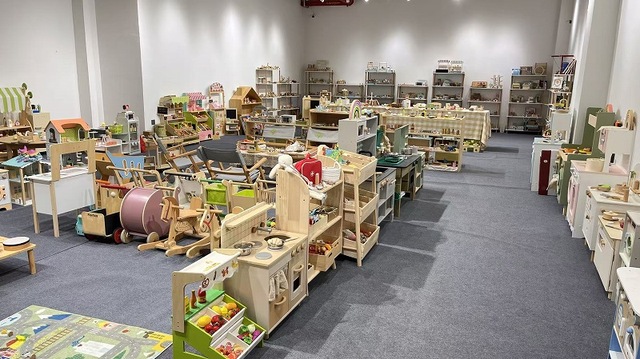
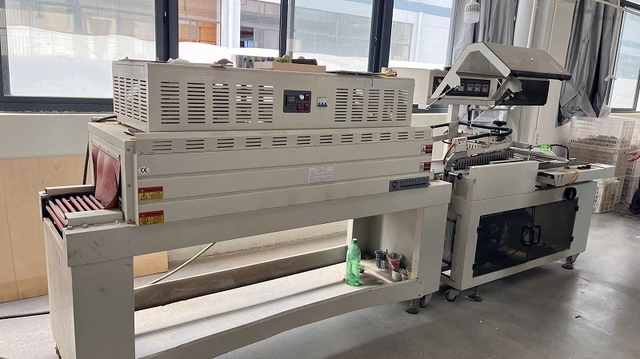
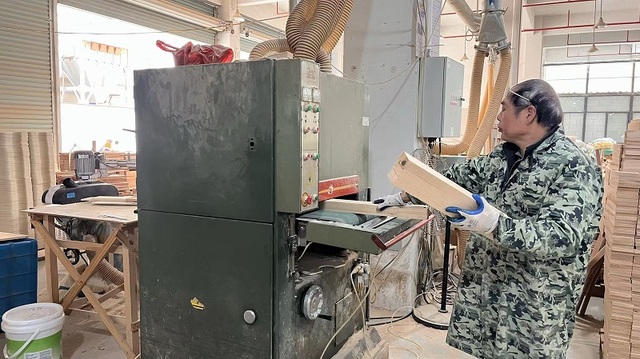
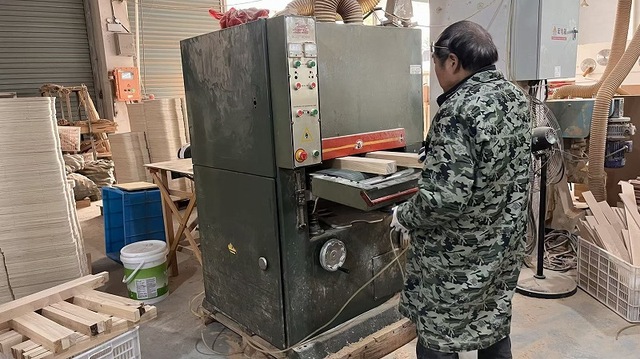
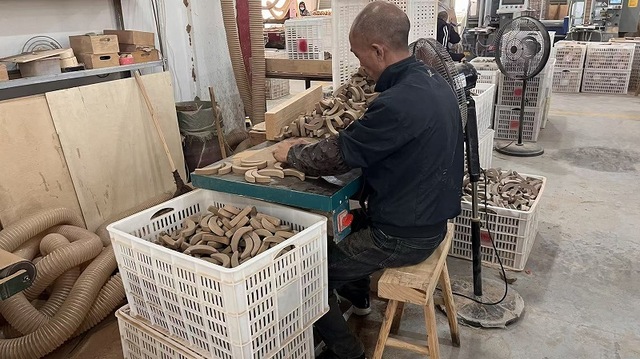
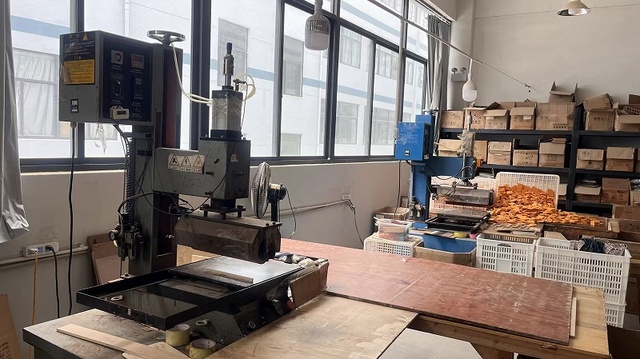
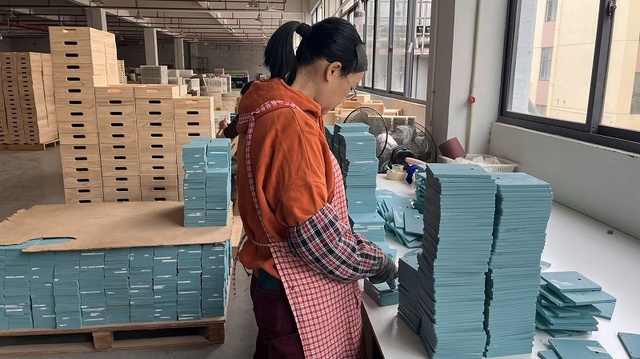
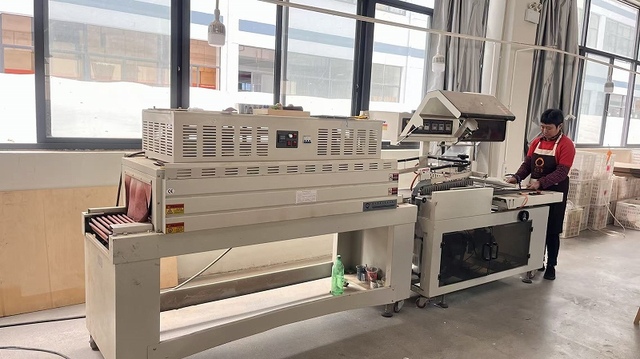
Joodle Toy State-of-the-Art Production & Materials Facility
A visual overview of our manufacturing processes, premium raw timber storage, and quality control systems
Technical FAQ: Key Considerations for B2B Importers
Which wood species are recommended for outdoor play structures?
For public and heavy-use applications, Robinia (Black Locust), European Larch, and pressure-treated Douglas Fir are highly recommended. Robinia is extremely durable and rot-resistant, making it ideal for direct ground contact without chemical treatments. Larch offers a good balance of strength and natural resin protection, performing well in cold climates.
How do Chinese factories ensure compliance with EN 1176 and ASTM F1487?
Leading exporters like Ningbo Joodle Toy Co., Ltd. work closely with international testing companies like TÜV SÜD and SGS. Product designs are simulated using advanced CAD systems to check for potential safety hazards, and physical prototypes undergo load, impact, and entrapment tests before mass production.
What are the standard lead times for custom B2B orders?
For typical OEM or ODM orders, production timelines range from 30 to 45 days after design approval. Complex, custom builds that require specialized structural calculations and custom metal components may take 60 days. Shipping times depend on the destination port, with direct routes to Europe and North America taking an additional 18 to 35 days.
How is timber protected from weathering and termites?
Wood is treated using non-toxic preservative systems, thermal modification, or organic water-based sealers. These treatments protect the timber against rot, mold, and termites. Additionally, using metal ground sleeves prevents the structural wood posts from coming into direct contact with wet soil, extending the lifespan of the equipment.
Can we get FSC-certified wooden play equipment?
Yes. Qualified suppliers can provide a complete FSC Chain of Custody (CoC) certificate upon request. This document traces the timber from certified forests through production to dispatch, helping buyers meet environmental standards and Green Building guidelines.