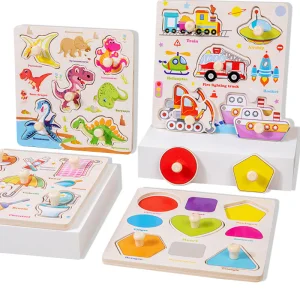

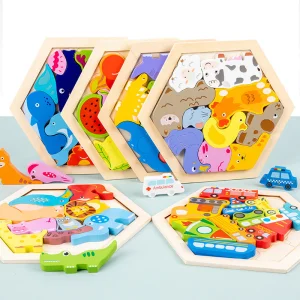
The global wooden craft toy market has undergone a dramatic transformation. What once was a cottage industry has scaled into a highly engineered, multi-billion dollar sector driven by sustainability mandates, neuro-cognitive educational trends, and the premiumization of early-childhood learning aids.
In an era saturated by fleeting digital screens and electronic disposable plastic devices, wooden craft toys offer significant tactile feedback, durability, and non-toxic properties that aligned parents, educators, and pediatricians cherish. Geographically, manufacturing nodes have concentrated where sustainable forestry management, high-precision woodworking technologies, and rigorous international certification mechanisms overlap.
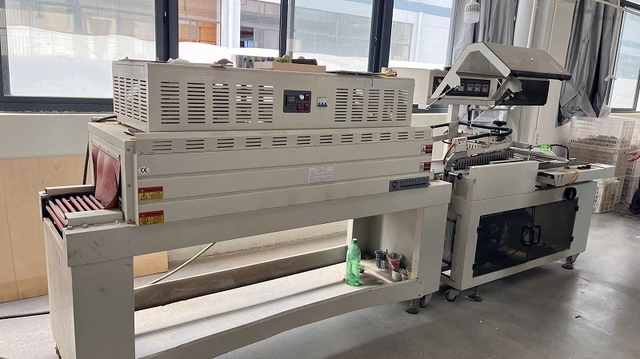
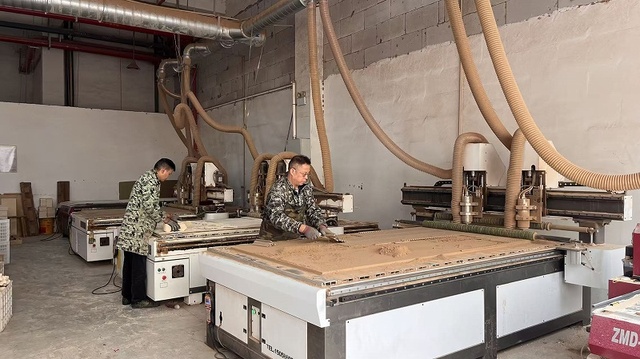
Today's leading wooden toy factories are not merely carpenters; they are material science and engineering houses. Using sophisticated CAD modeling, multi-axis CNC routers, automated non-toxic water-based spray systems, and machine-learning optical inspection lines, modern producers combine traditional craftsmanship with advanced automation to meet international consumer demand.
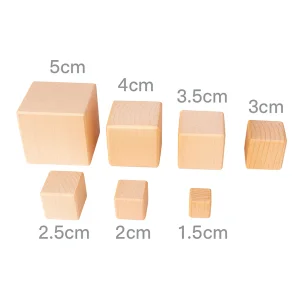
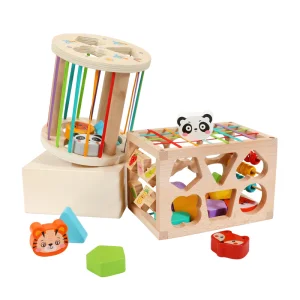
Modern consumers actively seek out toys that facilitate open-ended play, spatial reasoning, and sensory processing. This shift has placed Montessori blocks, color-sorting puzzles, and complex busy boards at the top of import indices worldwide.
Compliance with ASTM F963-17, EN71 parts 1-3, CE, and CPSIA is no longer optional. Modern manufacturers invest heavily in cleanroom painting processes and third-party laboratory verification to protect brands from recall risks.
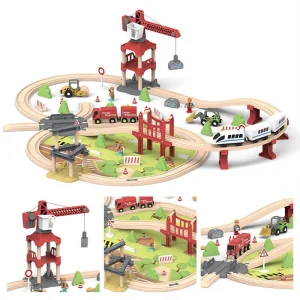
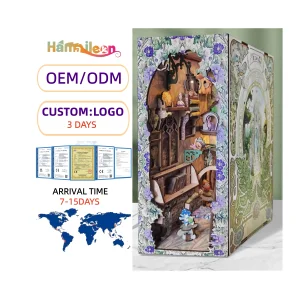
Incorporating microelectronics, LED circuits, and sound modules into classic wood frameworks—such as book nooks, DIY dollhouses, and electric railway tracks—has unlocked an older, high-margin teenage and adult consumer segment.
To compile a reliable list of the top 10 wooden craft toy factories, enterprise buyers and global supply chain directors must look beyond basic FOB prices. A holistic engineering evaluation reveals that the industry's leaders set themselves apart by investing in sustainable resource channels, adopting advanced machinery, and proving their commitment to safe, reliable production cycles.
| Evaluation Parameter | Standard Target | Industrial Impact |
|---|---|---|
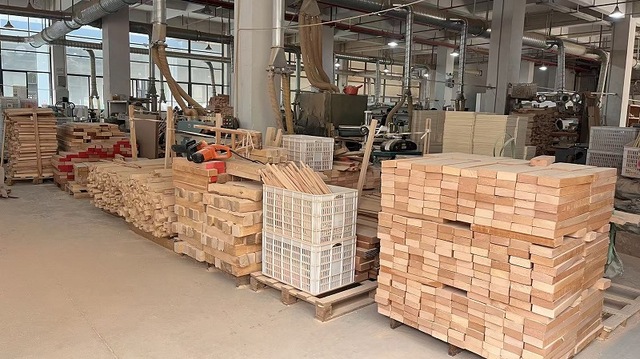
| Wood Sourcing Integrity | 100% FSC-Certified Hardwood (Beech, Birch, Rubberwood) | Prevents wood warping, ensures moisture-level stability, compliance with EU Timber Regulation. |
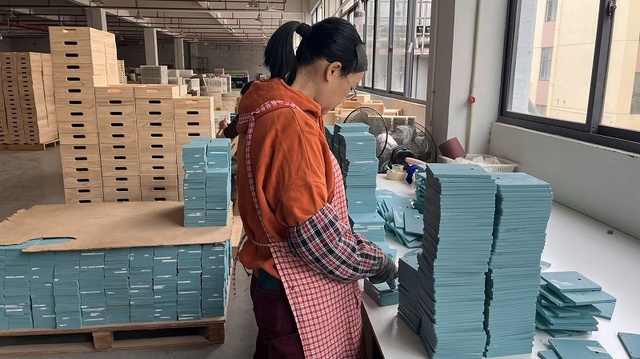
| Surface Coatings & Dyes | Water-based polymer coatings, organic natural oil stains | Zero VOC emission, zero lead leaching, complies with saliva resistance test standards. |
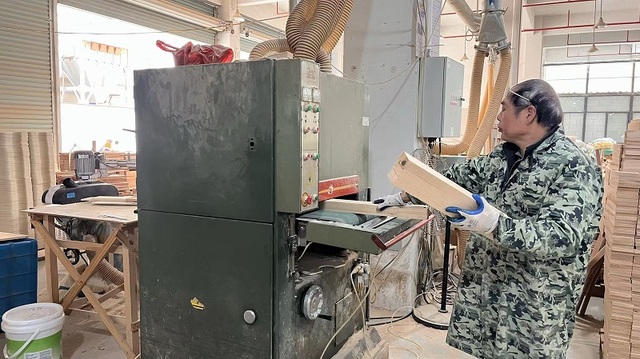
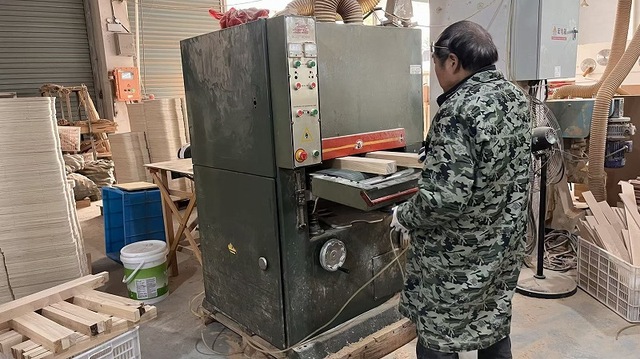
| Manufacturing Technology | Multi-axis CNC, automated sanding, laser engraving | Ensures dimensional accuracy, eliminates splinter hazards, delivers custom relief textures. |
| Quality Audits & Compliance | BSCI, ISO 9001:2015, Sedex, GSV | Guarantees supply chain ethical integrity, workforce standards, and custom border fast-tracking. |
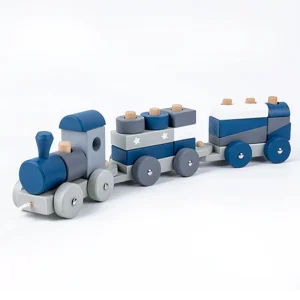
Ningbo Joodle Toy Co., Ltd. is a professional China wooden toys manufacturer specializing in the design, development, and production of Montessori, educational, and eco-friendly toy solutions. With extensive experience in the children's toy industry, Joodle Toy is committed to creating safe, innovative, and sustainable wooden toys that inspire learning, creativity, and imagination among children worldwide.
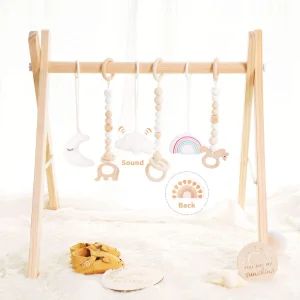
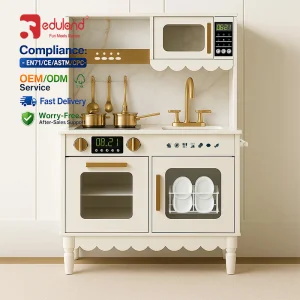
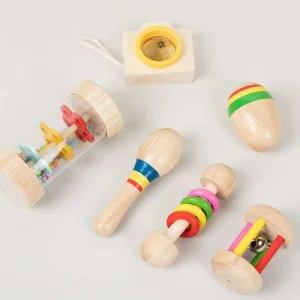
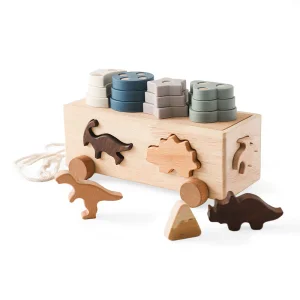
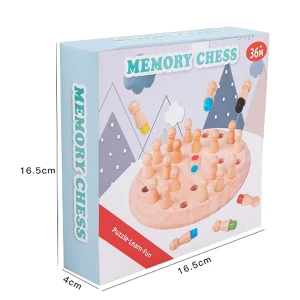
Our comprehensive product portfolio includes Montessori toys, wooden educational toys, building blocks, puzzles, pretend play toys, stacking toys, sorting toys, musical toys, activity toys, baby toys, and various early learning products. Designed to support children's cognitive, sensory, and motor skill development, our products combine educational value with engaging play experiences.
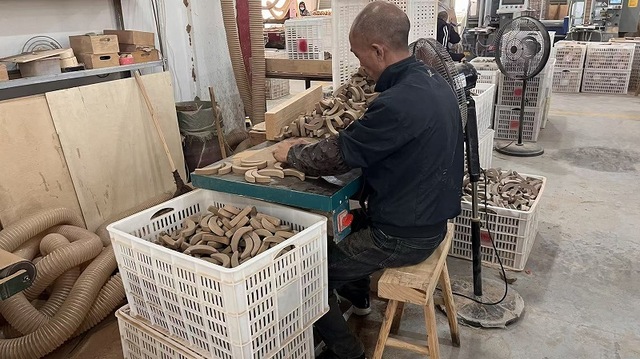
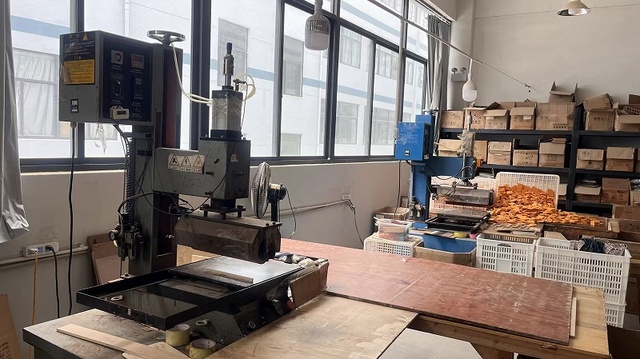
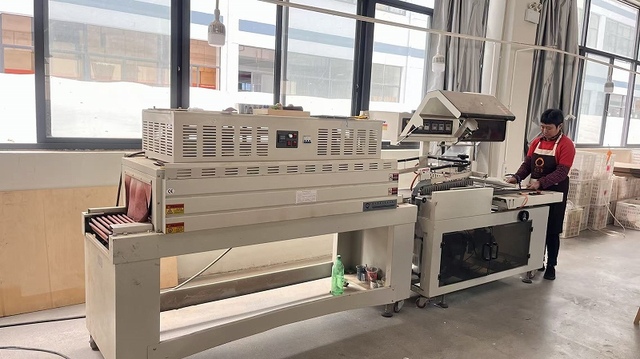
At Joodle Toy, product quality and child safety are our top priorities. We utilize premium natural wood materials and environmentally friendly finishes to ensure every toy is durable, safe, and sustainable. Our modern manufacturing facilities are equipped with advanced production technologies and strict quality control systems, ensuring that every product meets international safety and quality standards.
As a trusted OEM and ODM wooden toy factory in China, we provide comprehensive customization services, including product design, mold development, logo printing, packaging customization, and private label manufacturing. Our experienced R&D team continuously monitors global toy trends and develops innovative products tailored to the evolving needs of international markets.
Serving customers across North America, Europe, Southeast Asia, the Middle East, and other global regions, Ningbo Joodle Toy Co., Ltd. has established long-term partnerships based on exceptional product quality, reliable delivery, and professional customer service. Driven by innovation, sustainability, and customer satisfaction, Joodle Toy strives to become your trusted partner for high-quality wooden toys, delivering creative and eco-friendly play solutions that help children learn, grow, and explore through play.
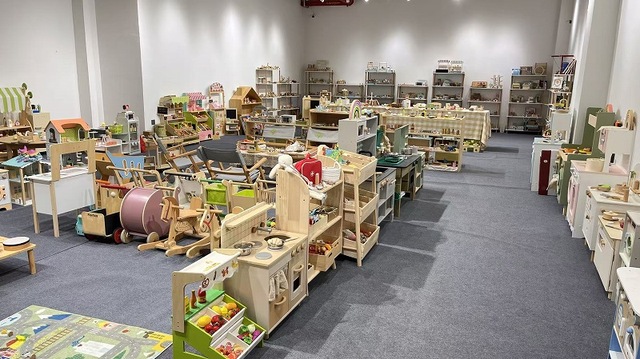
Wooden craft toys perform across several key consumer channels. Understanding these local contexts helps distribution partners optimize their product placement and tailor their branding messages.
Institutional environments demand durability to withstand heavy daily use. Commercial Montessori wooden sorting games and heavy-duty building block sets are favored over plastic options because they last longer and look more premium.
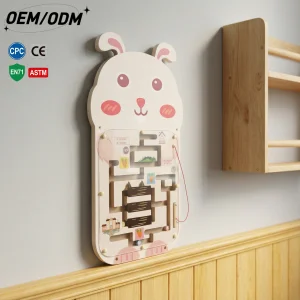
Tactile, solid wood elements support children with sensory processing differences. Weighted wooden puzzle boards, magnetic train tracks, and busy boards provide valuable kinesthetic feedback that aids in motor skill development and sensory integration.
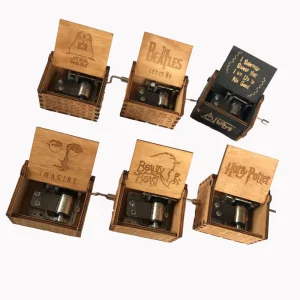
Miniature book nooks, complex 1000-piece wooden puzzles, and mechanical music boxes attract older hobbyists. This group values challenging projects, precise laser cutting, and detailed visual aesthetics, creating a highly profitable niche.
Over the next five years, the wooden craft toy industry will focus on integrating sustainable material engineering with advanced automated manufacturing.
Modern factories will increasingly transition from manual sanding and hand painting to automated CNC paths and optical sorting robots. This technology improves production speed, reduces raw wood waste by up to 18%, and ensures consistent tolerances of ±0.05 mm across large production runs.
Development of next-generation, plant-derived finishes that penetrate deeper into wood fibers. This upgrade makes toys more resistant to saliva and scratches without sacrificing biodegradability or relying on petroleum-based solvents.
Merging classic wood play blocks with electronic ink screens, safe NFC sensors, and modular magnetic circuits. This approach combines tactile wood grains with interactive digital narratives, satisfying modern screen-time and learning preferences.
Importers and distributors navigating the global wooden toy market face distinct hurdles. Managing these challenges requires proactive strategies that protect both margins and brand integrity.
Ensure the factory maintains a kiln-drying process that stabilizes wood moisture levels at 8%-12% before machining. This step prevents cracking and warping when toys ship through variable climate zones.
Utilize manufacturers with verified certificates of origin and FSC chain-of-custody documentation. Accurate compliance declarations prevent custom hold-ups and avoid punitive tariffs.
Address peak seasonal demand by implementing rolling forecasts with your partner factory. Grouping shipments in standardized container sizes also minimizes handling steps and lowers unit costs.
 Joodle Toy