Explore our foundational range of early educational models engineered for global safety standards and developmental training.

Understanding the macro-economic and pedagogical forces driving the structural shift from plastic to timber-based classroom manipulatives.
In the modern early-childhood learning ecosystem, physical tactile materials serve as the cognitive foundation for spatial and arithmetic education. According to international market intelligence, the global market for STEM learning aids has experienced a significant transition. Educational boards, private schools, and parents are increasingly rejecting cheap synthetic options in favor of solid wood materials. This transition is motivated by two key factors: cognitive developmental efficacy (as championed by the Montessori Method) and ecological responsibility (compliance with circular economy goals).
Wooden counting cubes represent the core of basic mathematical training. Whether used as Base-10 units, positional placeholders, fraction models, or simple motor construction block sets, these items must meet high standards for dimensional precision. A variation of just 0.5mm across a stack of 10 blocks can disrupt learning and fail to teach kids precision. As a result, educational boards in regions like North America and the European Union now enforce strict manufacturing standards for timber-based classroom supplies.
Percentage share of wooden manipulatives vs. plastics in educational contracts.
*Source: Global Toy Manufacturer Sourcing Alliance Review 2024
B2B importers must prioritize compliance. Wooden counting blocks distributed in the USA must satisfy ASTM F963-17, heavy metal limits under CPSIA, and sustainable wood sourcing checks under the Lacey Act. European partners require compliance with EN71 Parts 1, 2, and 3, and the strict registration, evaluation, and restriction of chemicals under the REACH directive. Choosing a supplier like Ningbo Joodle Toy ensures your products meet these standards right from the factory floor.
Ningbo Joodle Toy's integration of local raw material access, precision tooling, and fast shipping logistics.
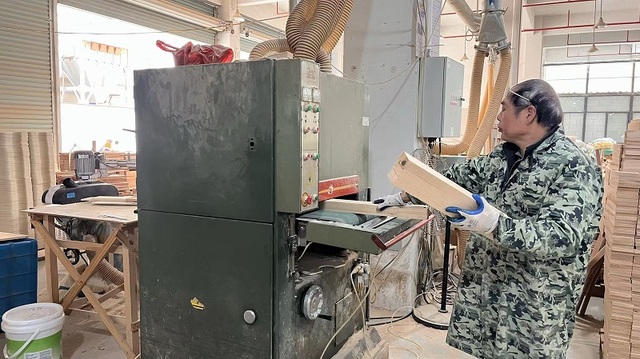
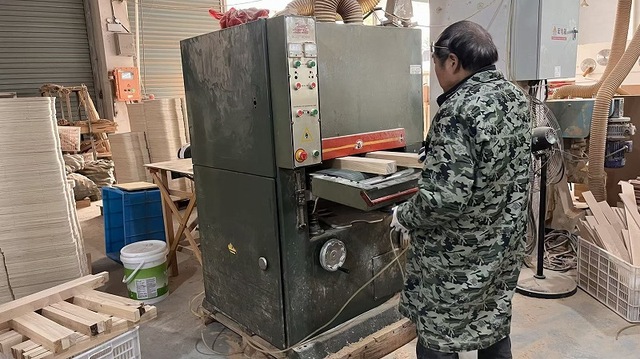
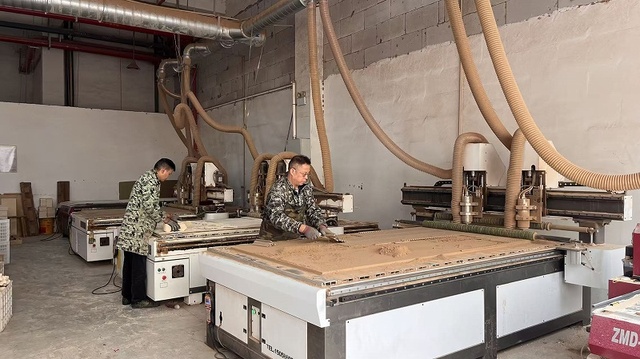
Using computer-controlled (CNC) sanding and cutting equipment, Ningbo Joodle Toy produces counting cubes with dimensional variation of under 0.05mm. This degree of control prevents structural instability when children stack cubes in mathematical models.
We use non-toxic, water-based finishes that penetrate wood fibers to prevent chipping. The resulting surfaces are safe for children's toys and exceed international safety requirements.
Located in the active shipping hub of Ningbo, we offer fast transport from our warehouse to Ningbo Port. This setup reduces container handling times and decreases export costs compared to inland factories.
| Timber Type | Hardness & Resistance | Grain Consistency | Ideal Application | Cost Factor |
|---|---|---|---|---|
| European Beechwood | Excellent (High density) | Highly uniform, low splinter risk | Premium school manipulatives, color-coated blocks | High / Premium value |
| Russian Birch | High (Tough durability) | Tight pattern, highly robust | Custom laser-etched cubes, natural texture blocks | Medium to High |
| New Zealand Pine | Medium (Lightweight) | Pronounced wood patterns | Budget preschool block sets, large hollow cubes | Economical / Competitive |
| Rubberwood | High (Recycled source) | Vibrant warm tones, stable shape | Eco-centric sustainable collections | Medium |
From developmental clinics to primary school classrooms: how counting cubes support early learning progress.
In Montessori learning environments, counting cubes help make abstract arithmetic clear and accessible. These cubes represent numbers physically, allowing students to grasp concepts like addition, subtraction, division, and fractions by handling the blocks.
Modern curricula integrate science, engineering, and mathematics early. Children use counting cubes to understand spatial relationships and practice structural thinking. Building three-dimensional forms introduces them to core physics concepts like gravity, load distribution, and balance.
For children working through fine motor or learning challenges, the size and texture of wooden cubes offer valuable sensory feedback. Therapists use these blocks to improve coordination, spatial awareness, and cognitive focusing skills.
Keep your brand competitive by understanding structural design trends and sourcing best practices.
Brands now customize cubes using laser engraving, direct heat transfers, and tailored storage pouches. These features help distinguish products in online stores like Amazon and brick-and-mortar retail outlets.
Importers are requesting antimicrobial surface seals for products destined for daycare centers. These clear, non-toxic coatings prevent bacteria from lingering on toys shared among children.
Corporate buyers prefer manufacturers that supply certificates for sustainable timber origin. Standardizing on certified wood ensures hassle-free customs clearance and appeals to eco-conscious consumers.
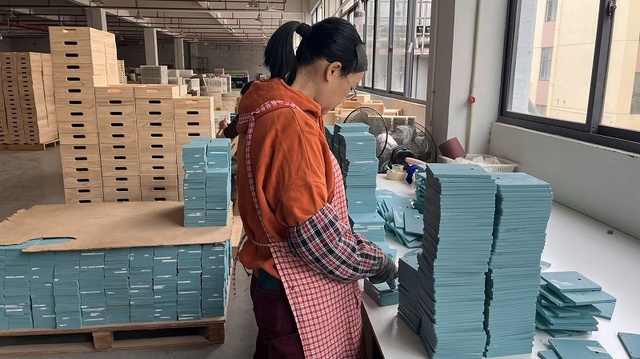
Our quality control process monitors density, wood grain direction, moisture levels (stabilized at 8%-12% to prevent warping), and paint safety. We test our finishes to ensure they meet modern lead-free and phthalate-free requirements.
Get answers to common technical, material, and logistical questions about bulk orders of wooden counting blocks.
The standard size for primary mathematics programs is 2 cm or 1 inch (2.54 cm). We also produce 1 cm cubes for decimal systems and larger 3 cm or 4 cm cubes for younger children to prevent choking hazards.
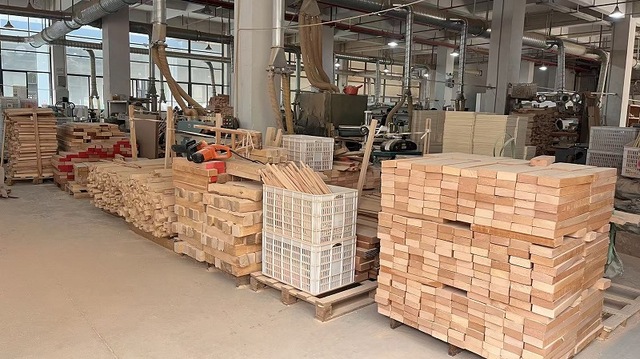
We dry our timber in climate-controlled kilns to a target moisture range of 8% to 12%. This limits warping, swelling, and cracking when the products are shipped to varying climates.
For painted finishes, we recommend European beechwood or birch because their tight grains prevent paint absorption and ensure vibrant color. For natural sets, pine or rubberwood are cost-effective choices that display beautiful wood patterns.
We supply full testing compliance reports for international markets, including EN71 Parts 1-3 for Europe, ASTM F963 for the United States, and CPC certificates for North American safety agencies.
Yes, we provide full ODM and OEM services. We can produce custom packaging solutions like printed boxes, wooden slide-lid storage boxes, canvas bags, and branded instruction inserts.
Standard production takes 30 to 45 days after deposit confirmation and sample approval. Timing can vary based on the complexity of your packaging and current factory capacity.
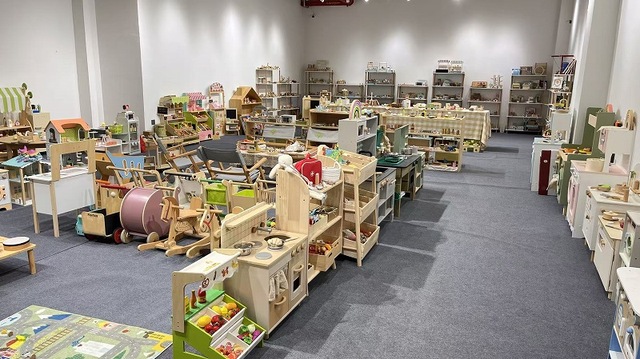
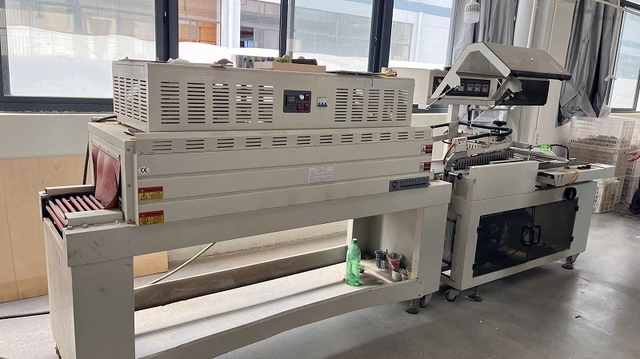
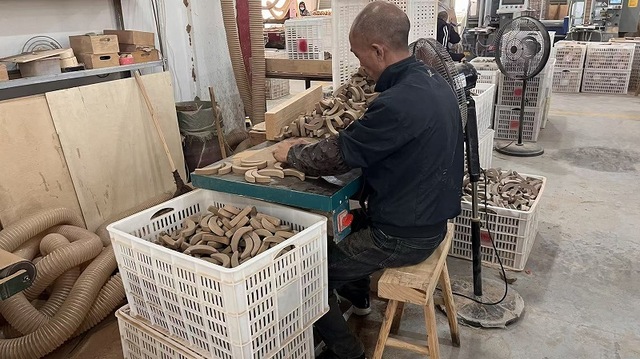
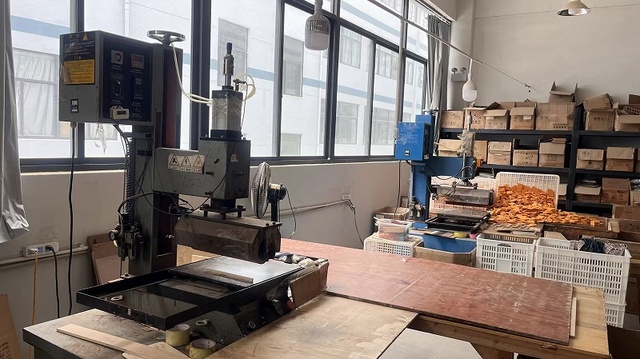
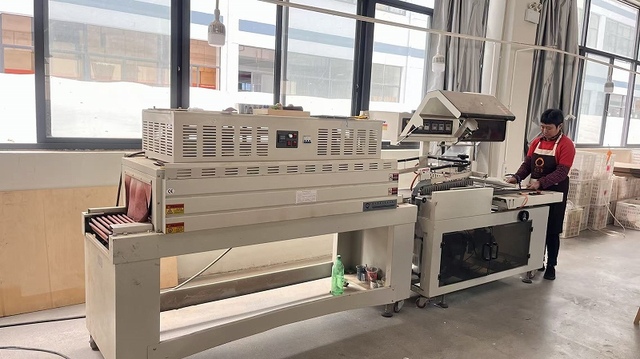
Review our professional manufacturing floor, material yards, and strict quality control stations.
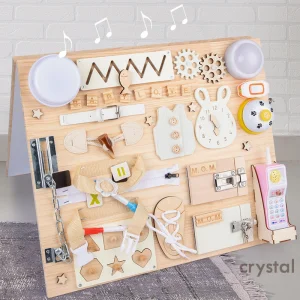
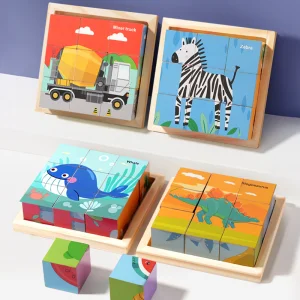
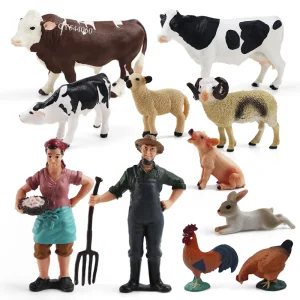
Broaden your inventory with our top-selling activity kits, logic toys, and early development materials.
 Joodle Toy