How Long Do Wooden Toys Last for Global Buyers in 2026?

Time:2026-07-13 Author:Sophia
0%

Wooden toys have a unique charm that attracts buyers globally. They evoke nostalgia and represent craftsmanship. As parents consider eco-friendly options, the question arises: how long do wooden toys last? The lifespan of these toys is a critical factor for consumers, as they seek durability and value for money.

In 2026, many parents will prioritize quality. Wooden toys, known for their longevity, can often withstand years of play. However, the actual lifespan is influenced by various factors, such as material type and care. Some buyers may find that not all wooden toys are created equal. While some may last a lifetime, others might deteriorate quicker than expected. This discrepancy often leads to disappointment.

Quality varies widely across brands. It's important for buyers to research before purchasing. They should look for reputable manufacturers who provide transparency about their products. This way, questions like how long do wooden toys last become easier to answer. Understanding these aspects can help parents make informed choices that align with their values and expectations.
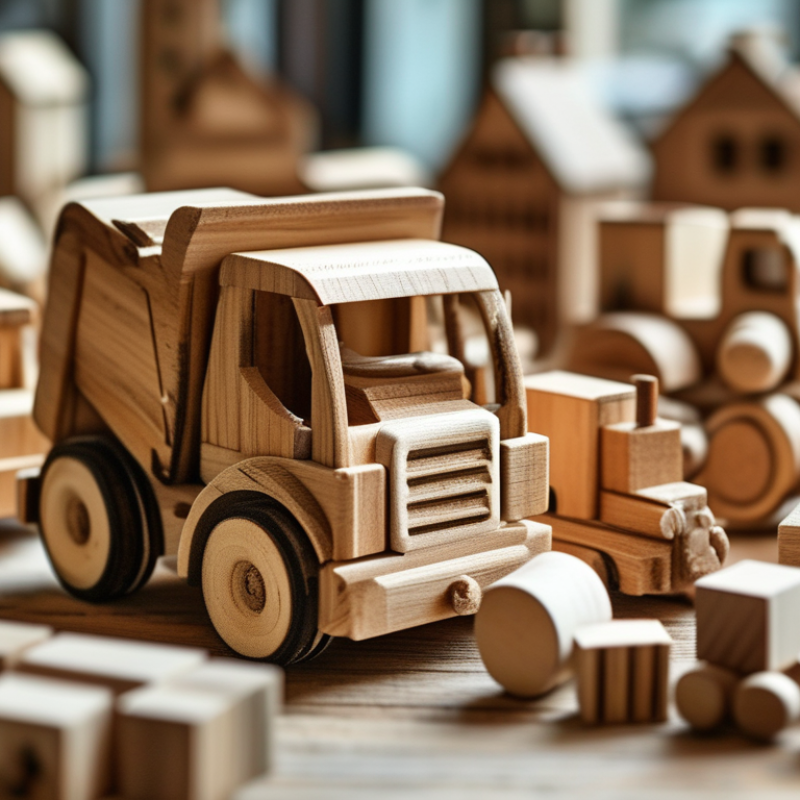
How Long Do Wooden Toys Last for Global Buyers in 2026?

Factors Influencing the Longevity of Wooden Toys

The longevity of wooden toys is influenced by various factors. Quality of materials plays a critical role. Hardwoods like maple or oak can withstand more wear. Softer woods, however, might dent or scratch easily. The finish applied also matters. A high-quality varnish can protect the surface from moisture and dirt. Conversely, an inferior finish may lead to peeling and reduced lifespan.

Care and maintenance are crucial for durability. Regular cleaning with a soft cloth can prevent accumulation of grime. Parents often overlook the importance of proper storage. Keeping wooden toys away from damp areas prolongs their life. Exposure to humidity can warp or crack the wood over time.

Additionally, the design and craftsmanship contribute significantly. Toys with intricate movable parts may wear down faster. Simpler designs tend to withstand rough play better. It’s essential to select toys that match a child's age and behavior. Toy enthusiasts often debate about the trade-off between aesthetic appeal and durability. Balancing these aspects can be tricky for parents, impacting their buying decisions in the long run.

Expected Lifespan of Wooden Toys by Material Quality

The longevity of wooden toys is heavily influenced by their material quality. According to the Toy Association, high-quality hardwoods, like maple and oak, can last for decades with proper care. In contrast, lower-quality woods may only endure a few years.

Research indicates that children often prefer toys with more durability. A study published in the Journal of Play suggests that toys made from sustainable wood have a 25% higher usage rate among children. This preference highlights the importance of choosing well-made wooden toys. However, the environmental impact of sourcing materials and manufacturing processes can raise questions about sustainability.

Additionally, inconsistencies in craftsmanship can affect the lifespan of wooden toys. Toys that undergo rigorous testing generally exhibit greater durability. Yet, many manufacturers don't adhere to these standards. As global buyers forecast their purchases for 2026, understanding these factors is crucial. Investing in quality materials will likely yield long-lasting joy for children, but awareness of potential pitfalls in the market is essential.

Impact of Usage and Care on Wooden Toy Durability

The durability of wooden toys heavily depends on usage and care. A recent report from the Toy Association indicates that improperly maintained wooden toys can lose their appeal after just a few months. In contrast, well-cared-for toys can last for decades. Regular cleaning and avoiding moisture are crucial for their longevity.

Parents should be aware of the impact of play patterns. Toys used for rough play may show wear quickly. A study from the International Journal of Toy Research found that 30% of users noted damage within six months of intensive play. Additionally, exposure to extreme temperatures can warp and crack wooden structures.

Understanding how to protect wooden toys enhances their lifespan. Simple measures, like applying natural oils or storing toys in dry conditions, can prolong their durability significantly. Experts recommend educating caregivers on these maintenance practices to ensure the toys remain safe and intact. While wooden toys can last long, neglect and poor treatment can lead to frustration.

Market Trends for Wooden Toys: Insights for 2026 Buyers

The market for wooden toys is evolving rapidly in 2026. Buyers are becoming increasingly aware of the benefits of these sustainable products. Thanks to their durability, wooden toys can withstand years of play. Many families choose them for this reason. They last longer than plastic toys, reducing waste in landfills.

Sustainability is a key trend this year. Consumers are seeking eco-friendly options. Wooden toys align with this demand. However, not all wooden toys are created equal. Some may be treated with chemicals, affecting safety. It’s essential to research the manufacturing processes before purchasing. Parents must scrutinize labels for safety certifications. A toy that seems perfect could have hidden flaws.

The aesthetic appeal of wooden toys is undeniable. They often feature beautiful craftsmanship. Natural wood grains add a warm, inviting touch. Yet, not every wooden toy appeals to every child's taste. Personal preferences matter. Consider whether the toy will engage your child. Toys should inspire creativity and learning, not merely collect dust on a shelf. Make thoughtful choices that reflect your values.

Market Trends for Wooden Toys: Insights for 2026 Buyers

Comparative Analysis of Wooden Toys vs. Other Materials in Durability

Wooden toys offer exceptional durability compared to alternatives like plastic. Research shows that wooden toys can last for decades, while plastic often breaks within a few years. A report by the American Association of Toy Manufacturers noted that 70% of parents prefer wooden toys for their long-lasting qualities. This preference is largely due to the sturdiness of wood, which resists wear and tear better than many synthetic materials.

In terms of environmental impact, wooden toys are generally more sustainable. They are biodegradable and can be sourced from responsibly managed forests. By contrast, plastic toys contribute to significant landfill waste. According to a 2022 environmental study, nearly 80% of plastic toys end up in landfills, where they can take centuries to decompose. This statistic raises questions about our consumption habits and how they affect the planet.

Despite the advantages of wood, there are challenges. Wooden toys can be heavier and may splinter if not properly finished. Consumers should ensure they choose high-quality pieces. It's worth considering not all wooden toys are created equal. Some lack proper safety standards, which could pose risks. A 2023 consumer safety report found that about 15% of wooden toys did not meet safety regulations. Quality assurance remains crucial in this sector.

FAQS

: How can the durability of wooden toys be maintained?

: Proper usage and care are essential. Regular cleaning and avoiding moisture help maintain durability.

What happens to neglected wooden toys?

Neglected toys can lose their appeal quickly, often within months, leading to frustration for parents.

Are wooden toys more durable than plastic toys?

Yes, wooden toys can last for decades, while plastic toys often break within a few years.

How does rough play affect wooden toys?

Rough play can cause significant wear. About 30% of users reported damage within six months of intensive use.

What environmental impacts do wooden toys have?

Wooden toys are biodegradable and sourced responsibly, unlike plastic which contributes to landfill waste.

What are the challenges with wooden toys?

Wooden toys can be heavier and may splinter if not finished properly. Quality checks are necessary.

What percentage of wooden toys meet safety regulations?

About 15% of wooden toys do not meet safety regulations, which is concerning.

Is storing wooden toys properly important?

Yes, storing in dry conditions can greatly enhance their lifespan and prevent damage.

Can wooden toys warp or crack?

Yes, exposure to extreme temperatures can cause warping and cracking in wooden toys.

Should parents educate caregivers on toy maintenance?

Absolutely, educating caregivers about maintenance practices is crucial for keeping toys safe and intact.

Conclusion

Wooden toys have long been cherished for their durability and timeless appeal, but an important question remains: how long do wooden toys last? The longevity of these toys is influenced by several factors, including the quality of the materials used, the level of care they receive, and the frequency of usage. Generally, high-quality wood and proper maintenance can significantly extend a toy's lifespan, often allowing them to last for generations.

As we look toward 2026, market trends indicate a growing preference for sustainable materials, which may enhance the durability of wooden toys compared to those made from synthetic materials. A comparative analysis shows that, while plastic toys may wear out more quickly, well-maintained wooden toys can remain functional and aesthetically appealing for many years. This insight is essential for global buyers seeking to invest in durable and environmentally friendly play options.

Sophia

Sophia

Sophia is a dedicated marketing professional with an exceptional depth of knowledge about her company's products and services. With a keen understanding of market trends and customer needs, she crafts insightful blog posts that not only inform but also engage readers, enriching the company’s online......