Wooden toys are cherished for their durability and charm. However, improper storage can lead to damage. Many parents wonder how to store wooden toys properly to ensure they remain in excellent condition. Effective storage is essential to prolong their lifespan and maintain their beauty.
To achieve this, consider factors like humidity, sunlight, and temperature. Wooden toys thrive in dry, cool places. Excess moisture can lead to warping, while direct sunlight can fade their colors. A simple storage solution, like a wooden box or cloth bag, can help protect these treasures from dust and scratches.
It is crucial to regularly inspect the toys for signs of wear or damage. Reflecting on past experiences, many have stored toys in damp basements or sunny playrooms, only to regret it later. Learn from these missteps to ensure your wooden toys remain a beloved part of childhood for years to come.
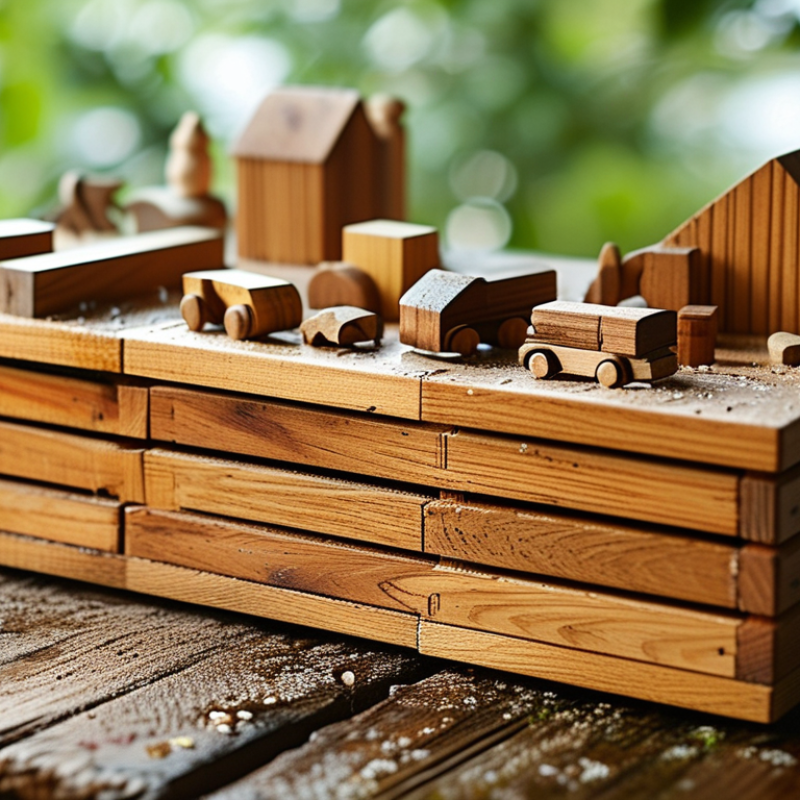
Choosing the right storage location for wooden toys is crucial to their longevity. Ideally, keep these toys in a dry, cool space. Humidity can warp wood and cause damage. Consider using a designated container for added protection. A wooden chest or box works well, providing a safe environment.
Avoid direct sunlight. Prolonged exposure can fade colors and dry out the wood. Also, keep them away from sources of heat, like radiators. Over time, heat can crack the surface. If space is limited, an out-of-reach shelf can help. Just ensure it's easily accessible for periodic checks.
Regular inspection is key. Look for any signs of wear or damage. Addressing issues early helps maintain quality. If you notice cracks, consider repairing them or replacing the toy. Small imperfections can offer insight into their use. Reflect on how your storage choices affect their condition, and don't hesitate to adapt your methods.
| Storage Method | Ideal Location | Benefits | Considerations |
|---|---|---|---|
| Shelving Units | Living Room | Easy access and visibility | Ensure it's away from sunlight |
| Storage Bins | Playroom | Organization and tidiness | Check for moisture retention |
| Toy Chests | Children's Bedroom | Fun and accessible for kids | Avoid heavy lids for safety |
| Hanging Storage | Back of Doors | Saves floor space | Ensure items are secure |
| Temperature-Controlled Box | Basement or Attic | Protection from extreme weather | Monitor humidity levels |
: The ideal moisture content is 6-8%. This prevents warping and cracking.
Use a damp cloth with mild soap. Avoid harsh chemicals to protect the wood.
Silica gel packets can help absorb moisture. This provides additional protection for your toys.
Avoid plastic containers. They can trap moisture, which may lead to mold.
Choose breathable fabric bags. They allow airflow and prevent scratches and mold growth.
Label your containers for easy access. However, be mindful that labeling can also lead to clutter.
Aim for 40% to 60% humidity. Levels below 30% can cause wood to crack.
The ideal temperature range is 65°F to 75°F. Fluctuations can damage the toys.
Regularly check for wear and tear. Old containers may need to be replaced.
Many overlook this detail. Proper awareness contributes to the longevity of wooden toys.
When considering how to store wooden toys properly, it is essential to choose the right storage location that is dry and away from direct sunlight to prevent warping and fading. Preparing wooden toys for long-term storage involves cleaning them thoroughly and ensuring they are completely dry before placing them in containers. Utilizing appropriate containers, such as breathable bags or boxes that prevent dust accumulation while allowing some airflow, is crucial in maintaining their condition.
Additionally, keeping an eye on humidity and temperature levels is vital, as extreme conditions can damage the wood. Regularly inspecting and cleaning the stored toys will help catch any potential issues early and ensure that they remain in great shape for years to come. By following these guidelines, you can effectively preserve the quality of your wooden toys during storage.

 Joodle Toy