In recent years, wooden toys have gained immense popularity due to their durability and sustainability. Understanding "what materials are used in wooden toy manufacturing" is essential for both manufacturers and consumers. Renowned toy designer and sustainability expert, Dr. Emily Roberts, emphasizes, "Choosing the right materials is crucial for safety and fun in wooden toys."
The process of identifying materials involves recognizing both wood types and finishes. Commonly used woods include maple, beech, and pine, each offering unique qualities. For example, maple is prized for its strength, while pine is lighter and more affordable. Additionally, finishes play a vital role in ensuring toys are safe for children. Non-toxic paints and natural oils are often preferred to protect the wood while maintaining child safety.
However, not all manufacturers adhere to high standards. Consumers must be aware of the risks associated with poorly made toys. It’s important to research and seek brands committed to quality materials and safe practices. In an era where eco-friendly options abound, being informed about what materials are used in wooden toy manufacturing can lead to better choices for kids and the environment.
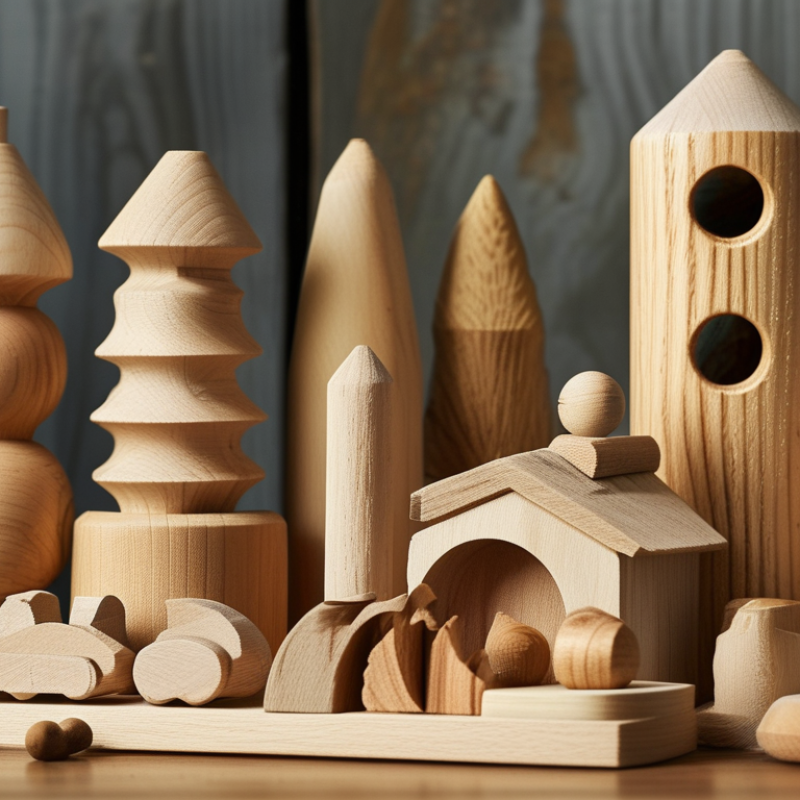
When it comes to wooden toy manufacturing, choosing the right type of wood is essential. Various woods offer different characteristics that affect durability, safety, and appearance. Common choices include birch, pine, and maple, each providing unique benefits. Birch is strong and resistant to wear. Pine is lightweight and often less expensive. Maple showcases a beautiful grain pattern, adding aesthetic value.
Tips: Consider the age of the child using the toy. Softer woods may dent easily. A toy for toddlers should be made from more robust materials.
Moreover, the sustainability of wood is crucial. Opting for certified wood ensures responsible sourcing. Recycled wood can be an excellent option. It lessens the impact on forests while giving toys a charming, unique character. However, not all recycled woods are safe. Always check for potential contaminants.
Tips: Inspect any used wood for splinters and sharp edges. Smooth finishes can enhance safety. Prioritizing wood quality contributes to longer-lasting and safer toys for children. The balance between eco-friendliness and safety is vital, and manufacturers must strive to achieve it.
| Type of Wood | Characteristics | Benefits for Toys | Common Uses |
|---|---|---|---|
| Maple | Hard, dense, and durable | High resistance to wear | Blocks, puzzles, and playsets |
| Pine | Lightweight, easy to work with | Cost-effective and readily available | Figures, cars, and small toys |
| Birch | Strong, fine grain texture | Good aesthetic appeal and durability | Doll furniture, educational toys |
| Beech | Tough, flexible, and shock-resistant | Great for long-lasting toys | Teething toys, building sets |
| Cherry | Rich color, ages beautifully | Adds elegance to toys | Wooden cars and decorative toys |
: Common woods include birch, pine, and maple. Each has unique properties affecting durability and appearance.
The right wood influences the toy’s durability and safety. Softer woods may dent easily.
Toys for toddlers should be made from strong, robust materials. This helps prevent damage and ensures safety.
Sustainable wood sourcing is crucial. Certified and recycled wood options reduce environmental impact.
No, not all recycled woods are safe. Always check for contaminants before using recycled materials.
Non-toxic paints ensure safety during play. They protect children from harmful chemicals often found in traditional paints.
Look for labels that say “non-toxic” or “child-safe.” Avoid bright colors that might contain toxins.
Inspect for splinters and sharp edges. A smooth finish enhances safety for children.
Transparency leads to informed decisions. Not all toys claiming safety are actually safe.
Bright paints may be appealing but often contain harmful substances. Opt for safer muted tones.
The article "How to Identify Materials Used in Wooden Toy Manufacturing" provides a comprehensive overview of the key aspects involved in the production of wooden toys. It begins by highlighting the types of wood commonly utilized, which are essential for ensuring both safety and durability. Evaluating safety standards for materials is critical to protect children, while understanding the role of non-toxic paints and finishes further ensures that toys are safe for play.
Additionally, the article emphasizes the importance of sustainable sourcing practices, which not only support environmental responsibility but also enhance the overall quality of the toys. Lastly, an analysis of the impact of material selection on durability and safety underscores the necessity of choosing the right materials in wooden toy manufacturing. Overall, these insights provide valuable guidance for consumers and manufacturers alike in understanding what materials are used in wooden toy manufacturing.

 Joodle Toy