As wooden toys gain popularity among parents, understanding how to clean wooden toys safely has become essential. According to a recent report by the Consumer Product Safety Commission, more than 90% of parents prefer eco-friendly toys for their children. However, many are unaware of the proper cleaning methods that maintain the integrity of these toys.
Dr. Emily Greene, an expert in child health and safety, emphasizes, "Cleaning wooden toys requires careful consideration to avoid damage and ensure safety." A thoughtful approach to cleaning can prevent harmful bacteria while preserving the toy's finish. It is crucial to avoid harsh chemicals, which can harm children and the environment.
Many parents struggle with the cleaning process, relying on outdated methods that might not be effective. A clean wooden toy is not just visually appealing; it ensures a safe play environment for children. Remember, every cleaning method should prioritize safety and sustainability.
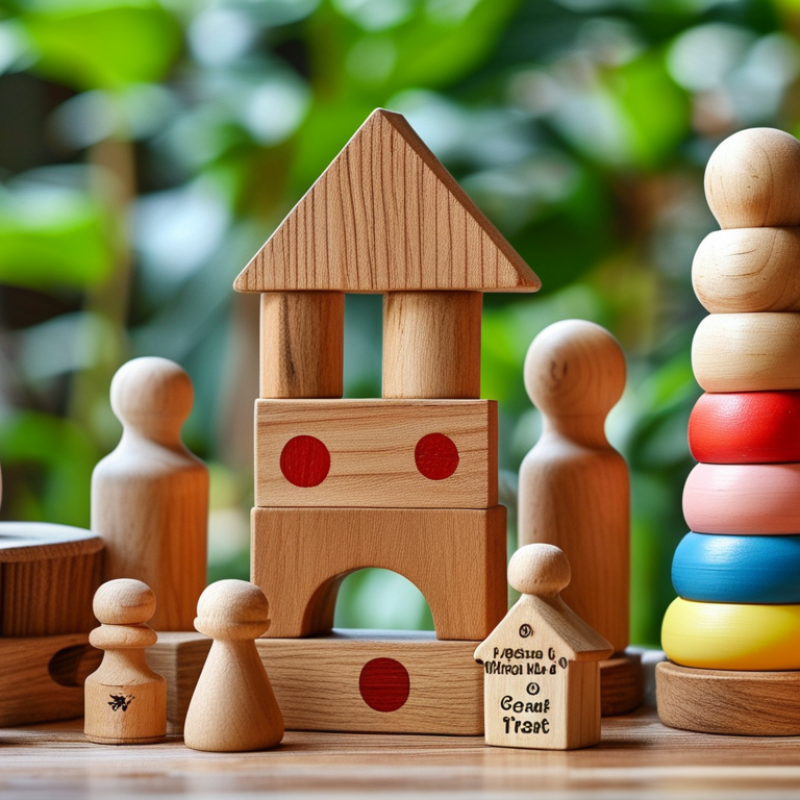
How to Safely Clean Wooden Toys: Essential Guidelines for Parents
Wooden toys can spark joy and creativity in children. However, keeping them clean is essential for health. According to a study by the American Academy of Pediatrics, toys can harbor germs and allergens. Proper cleaning can help minimize this risk.
Start by using a damp cloth with gentle soap. Avoid harsh chemicals, as they may damage the wood. Experts recommend disinfecting once a week. For deeper cleaning, use a solution of vinegar and water. This natural mix effectively kills bacteria without toxic residues.
Make sure to dry the toys thoroughly to prevent mold growth.
Many parents overlook the importance of maintaining these toys. Some worry that cleaning could damage them. In reality, neglect can lead to bigger issues. A survey showed that 30% of parents do not clean their child's toys regularly. This raises concerns about the potential exposure to harmful pathogens.
Regular cleaning is a responsible practice that benefits your child’s health.
Understanding the Types of Wood Used in Toys and Their Care Needs
Wooden toys come in various types of wood, each requiring specific care.
Common woods include maple, beech, and pine.
Maple is dense and durable, perfect for toys that endure rough play.
Beech is known for its smooth finish and natural resistance to splintering.
Pine, while softer, is lightweight and often used in colorful toys. Understanding these differences is crucial for proper maintenance.
Cleaning wooden toys safely involves more than just a damp cloth. For maple and beech,
use a mild soap solution to remove dirt. Wipe them immediately to prevent moisture damage.
Pine toys may absorb soap, so stick to a soft, dry cloth. Occasionally, you might notice scratches or scuffs.
Sanding them gently can help restore their original look.
Parents often overlook the importance of care instructions. Many toys get neglected or improperly cleaned, leading to wear over time.
Observing a toy’s condition regularly can prevent issues. While it’s easy to think all wooden toys are the same, each wood type demands its unique approach.
Caring for them thoughtfully pays off in their longevity.
Safe Cleaning Solutions: Non-Toxic Options for Wooden Toy Maintenance
When it comes to cleaning wooden toys, safety is key. Using non-toxic cleaning solutions can effectively maintain the toys while ensuring the safety of children. Vinegar and water is a popular choice. Mix equal parts for an easy, non-toxic disinfectant. This solution can help remove dirt and germs without harmful chemicals.
Another option is to use mild soap with warm water. It works well for regular cleaning. A damp cloth can also be used to wipe down toys, avoiding excess moisture. Too much water can damage wood. Using a soft cloth will prevent scratches and preserve the finish of the toys.
It's worth noting that some toys may have finishes that require special care. Checking the manufacturer's advice is advisable. If unsure, testing any cleaning solution on a small area first is a sensible approach. Regularly cleaning toys is important, but over-cleaning can wear out the wood. Balancing cleanliness with care ensures toys remain safe and enjoyable for little ones.
How to Clean Wooden Toys Safely Tips for Global Buyers?
| Cleaning Method |
Ingredients |
Pros |
Cons |
| Soap and Water |
Mild dish soap, warm water |
Non-toxic, easy to find |
May not kill all germs |
| Vinegar Solution |
White vinegar, water |
Natural disinfectant, safe |
Strong odor, may damage finish |
| Baking Soda Paste |
Baking soda, water |
Odor neutralizer, gentle scrub |
Messy to apply |
| Essential Oil Spray |
Water, few drops of essential oil (e.g., tea tree) |
Pleasant scent, additional antibacterial properties |
May cause allergies in some |
| Commercial Non-Toxic Cleaner |
Plant-based ingredients |
Formulated for toys, effective |
More expensive than DIY options |
Best Practices for Sanitizing Wooden Toys Without Damage
Cleaning wooden toys requires a careful approach to prevent damage. Wood can swell, crack, or lose its finish if exposed to excessive moisture or harsh chemicals.
A study by the American Cleaning Institute emphasizes the importance of using gentle cleaning agents. Mild soap mixed with warm water is recommended for sanitizing while ensuring the wood's integrity.
Microfiber cloths are ideal for the cleaning process. They trap dirt without scratching the surface. Wipe the toys gently, focusing on crevices where germs may hide. Frequent cleaning can help, but over-washing can lead to wear. The CDC reports that frequent hand contact increases the need for sanitization, particularly during flu season.
It's crucial to let the toys air dry after cleaning. This step prevents moisture accumulation that could lead to mold growth. For a deeper clean, consider vinegar or baking soda. However, always test these solutions on a small area first.
Balancing cleanliness and wooden toy preservation is key.
The Importance of Regular Cleaning Routines for Children's Health
Regular cleaning routines are crucial for maintaining children's health, especially when it comes to wooden toys. A study by the American Academy of Pediatrics revealed that nearly 70% of toys harbor harmful bacteria. These bacteria can lead to infections and allergies. Wooden toys, although durable, can absorb moisture and dirt, creating a breeding ground for germs. Research shows that children are particularly vulnerable to these risks, as their immune systems are still developing.
Implementing a cleaning schedule helps mitigate these risks. Experts recommend cleaning wooden toys at least once a week. A simple solution of vinegar and water is effective in disinfecting surfaces without using harsh chemicals. Moreover, allowing toys to dry completely is essential to prevent mold growth. Parents should regularly inspect toys for signs of wear and tear. Fractures or cracks can trap dirt and bacteria, making them harder to clean.
It's important to recognize that not all families have the same access to cleaning resources. Some may struggle with time or supplies. Awareness of these disparities can fuel conversations about public health initiatives. Therefore, community efforts should focus on providing resources. This fosters an environment where every child can play safely with clean toys.
How to Clean Wooden Toys Safely
This chart illustrates different methods for cleaning wooden toys and rates their effectiveness on a scale from 1 to 10. Regular cleaning is essential for maintaining children's health by ensuring that toys are free from dirt and harmful bacteria.
FAQS
: It's recommended to disinfect wooden toys once a week to minimize germs and allergens.
Use a damp cloth with gentle soap. Avoid harsh chemicals that may damage the wood.
Yes, a vinegar and water solution can effectively kill bacteria without leaving toxic residues.
Common woods include maple, beech, and pine. Each requires specific care for maintenance.
Use a mild soap solution and wipe immediately to prevent moisture damage.
Gently sand scratched areas to restore their original appearance without harming the wood.
Yes, over-washing can lead to wear and damage. Balance cleaning frequency and careful methods.
Steer clear of excessive moisture and harsh chemicals to prevent swelling and cracking.
Always let toys air dry completely after cleaning to prevent mold growth.
Yes, neglect can lead to the buildup of harmful pathogens and affect your child's health.
Conclusion
This article provides essential guidance on how to clean wooden toys safely, emphasizing the importance of regular maintenance for children's health. Parents will learn about the various types of wood used in toy production and their specific care requirements. The article highlights safe, non-toxic cleaning solutions that can be used effectively to sanitize wooden toys without causing damage.
Additionally, best practices for cleaning are discussed, ensuring that wooden toys remain safe and hygienic for children's play. By following these guidelines, parents can create a clean play environment while preserving the integrity of their wooden toys. Regular cleaning routines are essential to prevent the buildup of dirt and germs, contributing positively to children's overall well-being.

 Joodle Toy