Why Choose Wooden Toys Over Plastic Toys in 2026?

Time:2026-06-25 Author:Sienna
0%

In 2026, the toy industry faces a crucial question: "why are wooden toys better than plastic toys?" Experts are increasingly advocating for the benefits of wooden toys. Dr. Amy L. Carpenter, a child development specialist, states, "Wooden toys enrich creativity and promote better emotional and cognitive skills in children."

Wooden toys offer durability and timelessness. They are often crafted from sustainable materials, contributing to an eco-friendly lifestyle. Unlike plastic toys, which can break easily, wooden options last for years, making them a wise investment. Parents often cherish the memories associated with these toys, passing them down through generations.

However, the challenge persists: not all wooden toys are created equal. It's crucial to choose brands that prioritize safety and ethical sourcing. Many plastic toys contain harmful chemicals and can contribute to environmental pollution. In contrast, well-made wooden toys can provide a safer play experience. As families focus on healthier options for their children, the appeal of wooden toys grows stronger. The conversation is evolving, and understanding “why are wooden toys better than plastic toys” becomes essential for informed decisions.
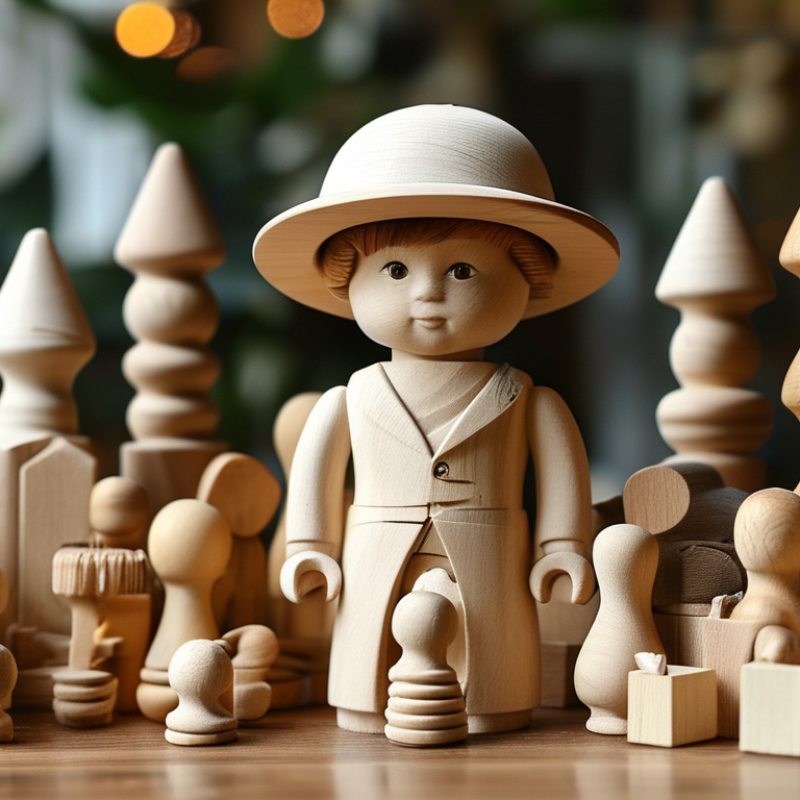
Why Choose Wooden Toys Over Plastic Toys in 2026?

The Environmental Impact of Wooden vs. Plastic Toys in 2026

The environmental impact of wooden versus plastic toys is crucial to consider in 2026. Wooden toys are biodegradable and often made from sustainable sources. This reduces landfill waste significantly. In contrast, plastic toys can take hundreds of years to decompose. They often contribute to pollution and use fossil fuels for production.

When choosing toys, consider the lifecycle. Wooden toys can last longer and withstand more wear. They often feature timeless designs, encouraging imaginative play over time. Plastic toys, however, may degrade quickly and become obsolete as trends change. This can lead to more waste in our landfills.

Tips for selecting eco-friendly toys: Look for certifications that guarantee responsible sourcing. Check for smooth edges and non-toxic finishes on wooden toys. When buying plastic, choose recyclable options and avoid single-use items. These small actions can lead to significant changes in reducing environmental harm.

Durability and Lifespan: Comparing Wooden and Plastic Toys

When considering durability and lifespan, wooden toys often stand out against their plastic counterparts. Wooden toys are crafted from natural materials, making them more robust. They can withstand rough play and last for years, even decades. Unlike plastic toys, which may crack or wear down quickly, wooden toys tend to maintain their integrity over time. Children can enjoy them through various growth stages, creating lasting memories.

Tips for keeping wooden toys in top condition include regular cleaning with a damp cloth and avoiding excessive moisture. Inspect toys for splinters or rough edges regularly, ensuring they remain safe for play. While it is essential to embrace the beauty of wooden toys, imperfections can appear. Embracing these natural flaws can remind us of the uniqueness of each piece.

Plastic toys, while often vibrant and captivating, typically have a shorter lifespan. Many may end up in landfills contributing to environmental concerns. This contrast encourages us to reflect on the choices we make for our children’s playtime. Choosing wooden toys promotes sustainability and offers a connection to nature that plastic simply cannot provide.

Why Choose Wooden Toys Over Plastic Toys in 2026?

This chart compares the average lifespan of wooden toys versus plastic toys in 2026. As illustrated, wooden toys typically last significantly longer, averaging around 10 years compared to only 3 years for plastic toys. This longevity contributes to wooden toys being a more sustainable choice for consumers.

Health and Safety Considerations: Non-Toxic Materials in Toys

When considering toy choices, health and safety are paramount. Wooden toys often stand out due to their non-toxic materials. Unlike plastic, which may contain harmful chemicals, natural wood poses fewer risks to children. The simple, warm texture of wood engages children differently. It nurtures a sensory experience that plastic cannot replicate.

Parents frequently worry about the safety of toys. Recent studies indicate that many plastic toys release toxins over time. These substances can affect children’s development and overall health. In contrast, responsibly sourced wooden toys often have non-toxic finishes. They are not only safer but also more durable, reducing waste in the long run.

Durability is another aspect that deserves attention. Wooden toys can withstand rough play, which might not be the case with plastic. However, not all wooden toys are created equal. Some may contain splinters or poor craftsmanship. It is essential to choose from reputable sources, ensuring the toys are both safe and well-made. Ultimately, with a little research, parents can find wooden toys that prioritize health and enjoyment for their children.

Why Choose Wooden Toys Over Plastic Toys in 2026? - Health and Safety Considerations: Non-Toxic Materials in Toys

Toy Type Material Safety Rating Age Suitability Sustainability
Wooden Blocks Natural Wood A 1+ Biodegradable
Wooden Puzzles Bamboo A+ 2+ Renewable Material
Wooden Cars Solid Maple A 3+ Sustainable Harvested
Plastic Action Figures Polyethylene B 5+ Non-biodegradable
Plastic Building Sets Polypropylene C 8+ Non-biodegradable

Developmental Benefits of Wooden Toys: Cognitive and Physical Skills

Wooden toys provide unique developmental benefits for children. Their tactile nature enhances sensory experiences, fostering cognitive skills. When children manipulate wood, they engage their senses deeply. The warmth and texture of the material encourage exploration and creativity.

Playing with wooden toys promotes fine motor skills. Children learn to grasp, stack, and balance. These actions strengthen hand-eye coordination, critical for future tasks like writing. Each movement requires focus, allowing kids to develop patience and perseverance.

While plastic toys often stimulate visually, they lack the same depth. Bright colors can distract rather than engage. Parents may find wooden toys less flashy, but their subtlety encourages imaginative play. It’s essential to reflect on how playtime impacts learning. Not all toys provide equal opportunities for growth. Choose wisely.

Market Trends: Consumer Preferences for Eco-Friendly Toys in 2026

In 2026, consumer preferences clearly indicate a shift towards eco-friendly toys. Parents are increasingly aware of the environmental impact of plastic. As awareness grows, many seek alternatives that align with their values. Wooden toys not only offer sustainability but also promote healthier playtime experiences.

Research shows that wooden toys encourage creativity. They allow children to engage in imaginative play without the distractions often found in plastic toys. Natural materials provide a sensory experience that plastic simply can’t match. Many parents appreciate the tactile quality of wood. It feels authentic and safe.

Yet, the market still faces challenges. Not all wooden toys are created equal. Some may lack durability or have unfinished surfaces that can be splintered. Consumers must carefully evaluate their choices. The desire for eco-friendly options often leads to superficial claims. Awareness and education will be crucial. Parents must seek trustworthy sources, ensuring their selections genuinely reflect eco-conscious standards.

FAQS

: What are the main advantages of wooden toys over plastic toys?

: Wooden toys are more durable and can last for years. They withstand rough play better than plastic toys.

How should wooden toys be maintained?

Regularly clean them with a damp cloth, and avoid excessive moisture to preserve their condition.

Are wooden toys safer for children?

Yes, wooden toys often use non-toxic materials, while some plastic toys may contain harmful chemicals.

How do wooden toys benefit a child's development?

They enhance cognitive skills and fine motor skills through tactile engagement and encourage creativity.

What should parents consider when choosing wooden toys?

Parents should look for reputable sources to avoid splinters and ensure high-quality craftsmanship.

Can wooden toys have imperfections?

Yes, natural flaws can appear in wooden toys, which remind us of their unique characteristics.

Why are plastic toys often less sustainable?

Many plastic toys end up in landfills, contributing to environmental concerns and waste.

Do all wooden toys provide the same developmental opportunities?

No, not all toys foster growth equally; it’s important to choose those that actively encourage learning.

How do the sensory experiences differ between wooden and plastic toys?

Wooden toys offer a warm texture that engages the senses, while plastic toys can be visually distracting.

Is there a long-term impact of choosing wooden toys?

Choosing wooden toys promotes sustainability and can create lasting memories for children through play.

Conclusion

In 2026, the debate around why wooden toys are better than plastic toys continues to gain traction, particularly due to their significant environmental impact. Wooden toys, being biodegradable and often sourced from sustainable materials, present a more eco-friendly choice compared to plastic options that contribute to pollution and landfill waste. Furthermore, when examining durability and lifespan, wooden toys typically outperform their plastic counterparts, providing long-lasting play experiences that are both economical and sustainable.

Health and safety considerations are also paramount; wooden toys are often made from non-toxic materials, ensuring that children can play safely without exposure to harmful chemicals found in some plastic toys. Additionally, wooden toys promote cognitive and physical skill development in children, encouraging imaginative play and fine motor skills. As consumer preferences shift towards eco-friendly options, the market for wooden toys is increasingly robust, reflecting a collective move towards more sustainable and health-conscious choices for the next generation.

Sienna

Sienna

Sienna is a skilled marketing professional with a deep expertise in our company’s core products and services. With a passion for innovation and detail, she plays a pivotal role in crafting insightful blog posts that not only highlight the unique features of our offerings but also provide valuable......