Wooden toys are gaining popularity among parents, educators, and child development experts. According to Dr. Susan Johnson, a renowned child psychologist, “Wooden toys foster creativity and imaginative play in children.” This statement underscores the value of these toys in supporting crucial developmental milestones.
When considering what are the benefits of wooden toys for child development, several points emerge. First, wooden toys are often made from safe, natural materials. They eliminate the risk of harmful chemicals. This safety aspect is paramount during the early years when children explore with their senses. Additionally, wooden toys promote fine motor skills and hand-eye coordination.
However, it's essential to reflect on some potential downsides. Not all wooden toys are engaging for every child. Some may find them less stimulating than electronic alternatives. Balancing traditional and modern play is vital. Overall, wooden toys can be highly beneficial, but they should cater to the child's interests and developmental needs.
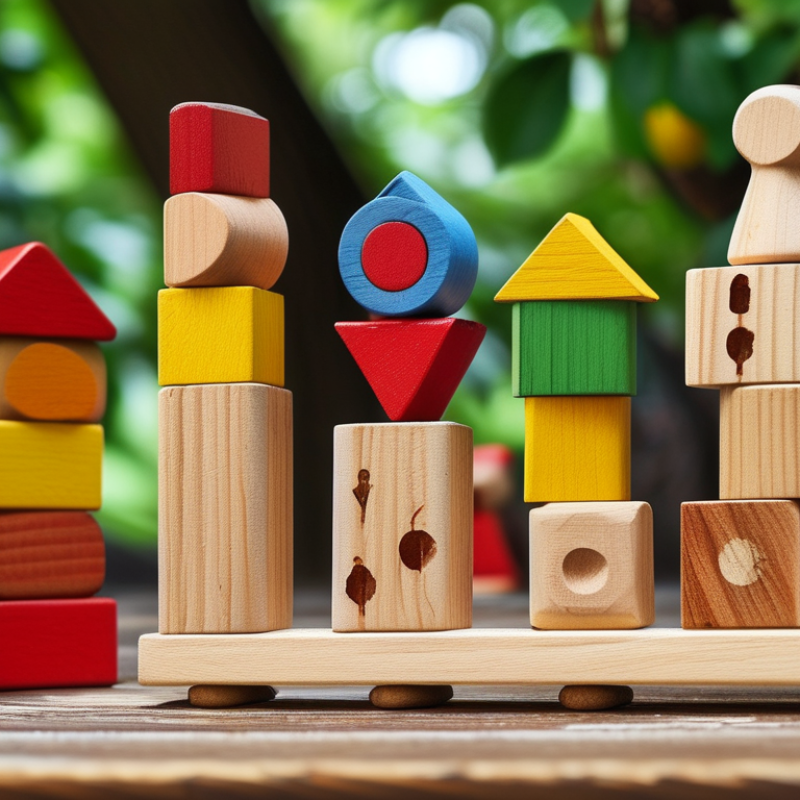
Benefits of Wooden Toys for Cognitive Development in Children
Wooden toys have been gaining attention for their significant benefits in cognitive development. Research indicates that children who engage with wooden toys tend to show improved problem-solving skills. A study published by the American Academy of Pediatrics found that children develop spatial awareness and mathematical skills more effectively when they play with block sets. This is attributed to the tactile experience of manipulating physical objects.
Furthermore, wooden toys often lack flashy electronics, encouraging imaginative play. A report from the Toy Industry Association highlights that such open-ended play enhances creativity and critical thinking. Kids learn to create their own narratives and build scenarios, which fosters language skills and social interaction. This aligns with findings from child development experts who emphasize the importance of unstructured playtime.
Not every child responds positively to the same types of toys. Some may find wooden toys less engaging compared to high-tech options. It's essential for parents to observe their children’s preferences and adapt play experiences accordingly. While wooden toys are beneficial, comfort in play should not be overlooked. Balancing traditional and modern playthings could lead to a well-rounded cognitive development experience.
Enhancing Motor Skills Through Creative Play with Wooden Toys
Wooden toys provide an excellent way to enhance children's motor skills through creative play. According to a report from the American Academy of Pediatrics, hands-on activities are crucial in developing fine motor skills in early childhood. These skills are essential for tasks like writing, buttoning clothes, and using utensils. Wooden toys challenge children to explore and solve problems, which keeps their minds engaged.
Research shows that when children play with building blocks, they improve their hand-eye coordination. A 2019 study highlighted that children who play with such toys show a 30% increase in spatial awareness compared to those who use digital devices. By manipulating different shapes and sizes, kids learn to think critically. They also strengthen their fingers and hands, which are pivotal for writing and crafting.
Tip: Encourage your child to create stories with their wooden toys. This can enhance their imagination and verbal skills. Giving them the freedom to experiment with blocks or puzzles boosts both their confidence and independence.
When children engage with wooden toys, they may become frustrated at times. This is part of the learning process. It’s essential to guide them without outright solving their problems. Creating a balance between challenge and success is key to effective development. This approach nurtures resilience, another vital skill for their future.
Promoting Social Skills: Sharing and Collaborating with Wooden Toys
Wooden toys are more than just playthings; they serve as tools for promoting social skills in children. When kids play together with wooden blocks or puzzles, they naturally learn to share. For example, one child may build a tower while another waits for their turn to add a block. This simple interaction fosters patience and cooperation.
Collaboration is another key benefit. Wooden toys often inspire imaginative play that requires teamwork. Two children might create a village, combining their unique ideas and skills. They negotiate roles and responsibilities, which helps develop communication skills. However, it’s essential to recognize that sharing doesn’t always come easily. Some children struggle with the concept, and conflicts may arise. Navigating these challenges teaches them conflict resolution, paving the way for better social interactions in the future.
Moreover, wooden toys encourage creativity. Unlike electronic devices, they require children to think outside the box. This free play can lead to moments of frustration when a construction doesn't hold up, prompting children to rethink their approach. Such experiences are vital. They learn to persist, adapt, and collaborate in problem-solving. Embracing these complexities is critical in a child's social development.
Why Choose Wooden Toys for Child Development Benefits? - Promoting Social Skills: Sharing and Collaborating with Wooden Toys
| Dimension |
Wooden Toys Features |
Development Benefits |
| Durability |
Long-lasting materials |
Encourages extended play and learning |
| Safety |
Non-toxic finishes |
Reduces the risk of harm |
| Creativity |
Open-ended play possibilities |
Fosters imaginative thinking |
| Social Skills |
Encourages group play |
Teaches sharing and collaboration |
| Cognitive Development |
Puzzles and problem-solving toys |
Enhances critical thinking skills |
Environmental and Health Considerations of Choosing Wooden Toys
Choosing wooden toys offers environmental and health benefits critical for child development. According to studies, wooden toys are made from sustainable materials, reducing ecological impact. In contrast, plastic toys often contribute to pollution and are derived from non-renewable resources. The Carbon Trust report suggests that wooden toys have a lower carbon footprint compared to their plastic counterparts.
Health-wise, wooden toys are generally safer. A study from the American Academy of Pediatrics highlights the concern of harmful chemicals in many plastic toys, like phthalates and BPA. These substances can negatively affect children’s health, leading to endocrine disruption. Wooden toys, when properly finished and sealed, are less likely to expose children to such toxins. They also tend to be more durable, lasting much longer than cheaper plastic options.
However, it's essential to consider the sourcing of wood. Not all wooden toys are created equal. Some may come from unsustainable forests, which may harm ecosystems. Parents must research and choose products that are certified by reputable organizations. The challenge lies in navigating the market to ensure toys are genuinely eco-friendly and safe. This demonstrates the need for informed decision-making when selecting toys for children's play and development needs.
Benefits of Wooden Toys for Child Development
The Impact of Sensory Experiences on Child Development with Wooden Toys
Wooden toys offer distinct sensory experiences that significantly influence child development. Unlike plastic toys, wooden ones provide varied textures and weights. These sensory attributes engage children’s hands and minds. Research from the American Academy of Pediatrics indicates that tactile play with natural materials promotes fine motor skills. Children learn to grasp, manipulate, and balance, enhancing their physical coordination.
The sounds of wooden toys, such as clacking or rolling, stimulate auditory senses. Engaging with these sounds can improve listening skills. According to a study published in the journal "Child Development", auditory stimuli are vital for cognitive growth in early childhood. Children exposed to diverse sound patterns have shown enhanced language acquisition.
Playing with wooden toys can also evoke imagination. Building blocks, for example, encourage creativity and problem-solving. However, some parents worry about the higher cost of sustainable materials. Investing in fewer, quality toys might lead to deeper engagement. While concerns about longevity exist, many find that wooden toys endure years of play. This longevity means children can share toys, fostering social skills along the way.
FAQS
: Wooden toys enhance problem-solving skills and spatial awareness through hands-on play. They promote mathematical understanding as well.
They lack flashy electronics, prompting imaginative play. Children create their own stories and scenarios, improving language skills.
Not every child engages with wooden toys the same way. Some may prefer high-tech options, highlighting individual preferences.
Playing together with wooden toys helps children learn to share and cooperate. They develop patience through turn-taking activities.
Children often work together to create scenarios. This inspires negotiation and communication, essential skills in social development.
Yes, some children may struggle with sharing or may feel frustrated. These moments can help them learn conflict resolution skills.
When constructions fall apart, kids rethink their strategies. This process teaches persistence and adaptation in problem-solving.
Parents need to observe their children’s interests. A balance of different toy types can support a well-rounded development experience.
Yes, children might feel frustrated when things don’t work. These experiences are important for learning and growth.
Unstructured play fosters creativity and allows children to explore their ideas freely. It’s crucial for cognitive and social development.
Conclusion
Wooden toys offer a plethora of benefits for child development, making them a valuable choice for parents. First and foremost, they significantly enhance cognitive development by encouraging imaginative play, critical thinking, and problem-solving skills. Furthermore, these toys are instrumental in improving motor skills as children engage in creative activities, manipulating pieces to construct or interact in diverse ways.
Social skills are also promoted through the use of wooden toys, as they naturally encourage sharing, collaboration, and group play. In addition to these developmental advantages, wooden toys provide environmental and health benefits, often being made from non-toxic materials that contribute to a safer play environment. Lastly, the sensory experiences offered by wooden toys—such as varied textures and sounds—further stimulate a child's exploration and learning. In summary, the question of "what are the benefits of wooden toys for child development" is answered through enhanced cognitive skills, improved motor functions, social interactions, and overall better health considerations.

 Joodle Toy